The Danish National Symphony Orchestra Bring Morricone’s Western Sound to the Concert Hall
The Danish National Symphony Orchestra give “The Good, the Bad and the Ugly” a concert performance that makes its unusual sounds visible. Ennio Morricone’s theme becomes an encounter between orchestral instruments, vocal contributions and a clearly defined rhythmic character.
DR Koncerthuset’s official recording identifies the performance as recorded in 2018. Its credits name Sarah Hicks as conductor and include the orchestra and concert choir, providing direct context for the ensemble seen and heard throughout the filmed concert presentation.
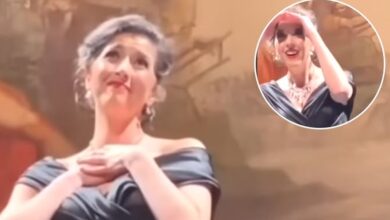
The source also credits Tuva Semmingsen and Christine Nonbo Andersen on vocals. Their contributions are part of the score’s recognizable sound, giving the arrangement human vocal colors alongside its instrumental material rather than turning the appearance into a conventional solo song.
The theme’s opening gestures provide an immediate point of recognition. A distinctive call or instrumental figure can establish the musical identity quickly, allowing listeners to recognize the film reference before the larger orchestral texture becomes the central focus of the concert performance.
The arrangement credits Martin Nygård Jørgensen for adaptation from the original recording. That detail makes the concert version’s construction clear: the familiar soundtrack is being presented through an orchestral arrangement designed for the musicians and forces assembled in the hall.
Watch the performance
The flute credits identify Hans Ulrik and Russell Itani. Different wind colors help define the sound, giving listeners a way to notice how the arrangement creates variety through instrumental character rather than relying only on the size of the orchestra and its fuller passages.
The vocal sounds contribute another distinctive layer. A voice can function as part of an instrumental-like texture, carrying expression without a conventional sung narrative. The performance uses that possibility to keep the soundtrack’s unusual character recognizable within the concert setting and shared ensemble arrangement.
Percussion gives the music a clear rhythmic identity. Its accents organize attention around the recurring figures, making the orchestral sound feel purposeful as the texture changes. The beat and instrumental colors work together to preserve the theme’s recognizable direction and dramatic character.
Hicks’s conducting provides a visible point of coordination for the ensemble. The camera shows the relationship between gestures and shared musical arrivals, helping the audience appreciate the practical organization required to bring the different sounds into one clearly shaped concert arrangement before the hall audience.
The film reference remains recognizable without the film itself playing. The music carries associations through its themes and sounds, showing how a soundtrack can function as a concert piece while retaining the particular character that made its original screen setting memorable to listeners.
The recording’s close views help connect unusual sounds with their sources. A listener can see a musician creating a particular color, making the arrangement’s construction easier to understand.
The full ensemble adds scale around those distinctive details. A small figure can establish character before broader sound expands the atmosphere, allowing the performance to develop through contrast.
On another listen, follow the vocal contribution as a musical color. Its relationship with the instruments explains why the arrangement sounds different from a standard orchestral theme, giving the familiar material a recognizable human element within the wider ensemble’s texture and concert presentation.
Then watch the conductor during a shared arrival. The visible cue makes coordination tangible, connecting the score’s contrasting sounds with the practical work of performing them together.
DR’s other Morricone performances provide useful companions. “Once Upon a Time in the West” and “For a Few Dollars More” use different themes within a related concert vocabulary, allowing listeners to compare vocal color, instrumental emphasis and the relationship between soundtrack identity and a live orchestral setting.
The Danish orchestra’s “The Good, the Bad and the Ugly” finds its character in recognizable figures and varied musical colors. DR’s recording makes those contributions visible, presenting the theme as a coordinated concert performance with its own clear scale, atmosphere and expressive instrumental identity.
More videos to explore
DR Koncerthuset’s official “Once Upon a Time in the West” performance features Tuva Semmingsen. Compare its vocal atmosphere with the theme’s shorter, more sharply defined calls.
The orchestra’s official “For a Few Dollars More” performance provides another Morricone concert reference. Listen for the different instrumental colors used to preserve each film theme’s identity.
Further reading: Performance background and source.