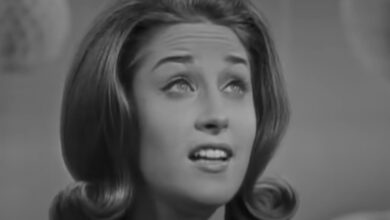
A Gaga–Adele Mashup Finds a Shared Emotional Thread Between Two Ballads
Lady Gaga’s “Million Reasons” and Adele’s “Someone Like You” meet in a carefully assembled mashup by AnDyWuMUSICLAND. The video combines separate recordings, giving two familiar ballads a shared musical space through editing and arrangement.
The creator’s upload names both songs and identifies the video as a reupload in February 2017. Its appeal comes from the way the parts are brought together, creating the impression of a musical conversation between voices recorded in different contexts.
That distinction is part of understanding the work. This is an edited creation rather than footage of the singers performing a duet on the same stage. The arrangement provides the connection that a live collaboration would otherwise need to establish in the room.
The two songs share an emotional territory of attachment, separation, and uncertainty. Their individual narratives remain different, but hearing them close together invites the listener to notice how both use a direct vocal line to carry a difficult feeling.
Gaga’s delivery gives “Million Reasons” a focused sense of appeal. Adele’s voice brings a different weight to “Someone Like You.” The mashup draws interest from those differences while arranging the songs so that the contrast feels musically connected.
Watch the performance
The accompaniment supplies much of that connection. A backing pattern can change the apparent meaning of a vocal phrase by placing it inside a new harmonic setting. Familiar singing becomes something the listener hears from a slightly different angle.
This is one of the central pleasures of a successful mashup. Recognition happens immediately, but expectation does not remain settled. A line associated with one recording can lead toward material from the other, opening a route the original song did not take.
The editing must also account for timing. Vocal phrases have to fit within the shared musical pulse, and transitions need to preserve their sense of direction. The combination feels convincing when the listener can follow the phrasing without being pulled out of the music.
The visual material reinforces the arrangement by placing the singers within the same edited sequence. It gives viewers recognizable performance images while the audio does the more detailed work of linking the musical lines.
The strongest moments come from the relationship between difference and continuity. The voices retain their individual character, yet the arrangement invites the ear to accept them as parts of a single unfolding piece. Neither attraction would be as interesting on its own.
The result also encourages a closer listen to the original songs. Once their phrases have been placed in a new context, familiar accompaniments and vocal choices can sound more distinctive. A mashup can reveal musical possibilities inside recordings the listener already knows.
It is useful to follow one voice through the video before attending to the whole mix. That approach makes the editing easier to understand. The singer’s line remains recognizable while the surrounding music changes the way it reaches the listener.
Another listen can focus on the transitions between songs. A smooth handover depends on more than choosing two popular melodies. The arrangement needs to manage phrase length, rhythmic placement, and the emotional direction of the material being combined.
Both ballads leave room for the voice, which helps this pairing retain clarity. A denser combination might hide the expressive details that make the singers distinctive. Here, the vocal identities remain a central part of the listening experience.
The mashup offers a different form of musical authorship from a conventional cover. Its creator works with existing performances, shaping relationships between them. The creative contribution lies in selection, placement, and the resulting arrangement.
AnDyWuMUSICLAND turns two separate ballads into an inviting listening experiment. The songs’ familiar emotional language gives the edit a strong foundation, while the interplay between Gaga and Adele’s recorded voices supplies its distinctive musical character.
More videos to explore
Lady Gaga’s official “Million Reasons” video returns the vocal to its original setting. Listening after the mashup makes the song’s individual accompaniment and emotional pacing easier to compare.
Adele’s official “Someone Like You” video offers the other half of the pairing. Its direct presentation highlights the phrasing that remains recognizable even when the vocal is placed inside an edited arrangement.
Further reading: Performance background and source.