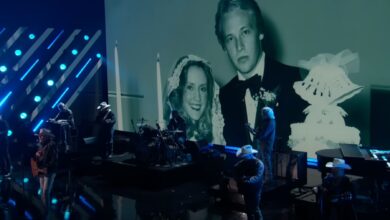
Dolly Parton and Pentatonix Rebuild “Jolene” Around Close Vocal Harmonies
Dolly Parton and Pentatonix rebuild “Jolene” around a close conversation between lead voice and vocal ensemble. The collaboration gives a familiar song a different musical frame. The recognizable melody gives listeners a clear entry point. The new vocal texture becomes interesting through its relationship with material they already know, allowing the arrangement’s changes to register without obscuring the song.
Parton remains the unmistakable center of the recording. Her voice connects the new arrangement directly with its songwriter. That continuity helps the collaboration feel connected with the writing. The familiar voice remains easy to identify, giving the ensemble’s new musical frame a direct relationship with the composition’s established history.
Pentatonix provide harmony, bass and rhythmic texture through their voices. Those parts replace much of the instrumental structure listeners may expect. The separate tasks give the arrangement its depth. One part can sustain the musical foundation while another changes the color around the melody, keeping the voices active in different but connected ways.
The result preserves the song’s urgency while changing its surface. Familiar material becomes a shared vocal performance. The familiar line keeps its emotional direction within those changes. The audience can follow the story while hearing how a vocal ensemble gives its accompaniment another rhythmic and harmonic identity.
The partnership feels effective because the arrangement has a clear purpose. Each voice contributes to the whole. A clear division of responsibility keeps the partnership coherent. The lead supplies the narrative, and the surrounding parts give it musical support that remains audible without distracting from the recognizable melodic line.
Watch the performance
“Jolene” depends on the insistence of its plea. Repeated phrases need to remain emotionally active. The repeated name gives the composition a strong point of return. Its urgency has to continue through those repetitions, allowing a familiar phrase to gather meaning instead of becoming only a decorative refrain.
The ensemble supports that tension without overwhelming the lead. Balance is central to the arrangement. The blend needs to make room for that narrative. The ensemble can add a fuller texture while preserving the clarity of the voice carrying the words, keeping the arrangement’s priorities easy to hear.
Listen to the lower vocal parts beneath the melody. They give the piece its foundation. Their steadiness gives the higher lines somewhere to develop. The arrangement can therefore change color around the melody without losing the foundation that keeps the song’s movement understandable.
The harmonies add color around Parton’s lines. Their movement changes the texture while keeping the tune clear. A chord can gain a different atmosphere through several voices occupying it together. The effect adds depth around the familiar tune while allowing the lead line to remain the audience’s principal reference.
Rhythmic vocal sounds also help maintain momentum. The arrangement needs to move even without a conventional drum kit. The pulse gives those vocal parts a common timeline. Rhythmic sounds and sustained lines need to meet in the same musical frame, allowing the ensemble to function as accompaniment as well as harmony.
A collaboration across generations can become more than a novelty. A strong musical design gives the performers a reason to work together. The arrangement gives that meeting a practical shape. The performers are contributing distinct musical tasks around one composition, making the partnership effective through the sound it produces rather than the pairing alone.
Parton’s writing remains recognizable through the change. The song’s narrative is not lost inside the vocal technique. The story’s directness remains part of the song’s appeal. The new texture is useful because it keeps that narrative active, giving the familiar emotional direction another musical setting through which to travel.
The recording also introduces listeners to the division of labor within an a cappella ensemble. Several voices can perform different musical functions. The recording makes those responsibilities accessible. A listener can follow the lead, then turn attention toward another voice and hear how its individual line supports the ensemble’s continuing musical direction.
Watch and listen through the full arrangement to notice those roles. The blend becomes more interesting once its parts are understood. A repeated listening can reveal another part of the arrangement each time. The lower foundation, rhythmic contribution and harmony all give the familiar melody a different kind of support.
The division of vocal roles gives the recording its distinctive sound. A lower line can supply the foundation while rhythmic sounds keep the music moving, leaving another part free to carry the harmony around the lead. These responsibilities make the arrangement broader than a group singing the melody together, showing how voices can construct a complete musical frame around a recognizable song.
Parton and Pentatonix’s “Jolene” honors the original by finding another way to carry it. Lead voice and ensemble turn the song into a carefully balanced vocal exchange. The collaboration’s strength comes through that coherent relationship. The lead remains recognizable, and the ensemble supplies a distinctive setting that broadens the sound while keeping the composition easy to follow.
More performances to enjoy
Dolly Parton and Miley Cyrus perform “Jolene” live. Their concert duet offers another vocal partnership built around the same familiar composition.
Pentatonix perform “Hallelujah” live. The ensemble rendition gives another perspective on how their separate vocal roles can create a complete harmonic and rhythmic setting.