A second vocal line transforms the balance of Disturbed’s ‘The Sound of Silence’ when Myles Kennedy joins the band in the Houston area in August 2016. David Draiman supplies the deep, resonant voice familiar from the group’s arrangement. Kennedy answers with a brighter register, turning the performance into a duet shaped by the relationship between their contrasting tones.
The collaboration took place at the Cynthia Woods Mitchell Pavilion in The Woodlands during Disturbed’s 2016 tour. A live recording later appeared on the band’s own channel. It presents the two singers seated at microphones, allowing the arrangement and the way their voices meet to provide the performance’s momentum.
Disturbed’s studio interpretation of Paul Simon’s composition appeared on Immortalized in 2015. Its deliberate pace gives Draiman space to move from quiet, low phrases into far greater intensity. For a group closely identified with heavy music, the arrangement also places a different emphasis on breath, vocal color and the gradual shaping of a melody.
Kennedy brings another shade to that structure. His higher part opens up space above Draiman’s darker delivery, particularly as the two voices rise together. Harmony at that level requires accurate tuning and sensitive timing. The fascination lies in hearing both singers retain their identities while working toward the same musical phrase.
The apparent ease of the duet can disguise how much control it requires. Sustained notes need steady breath, and the balance between the parts must remain clear as the sound grows. Kennedy’s upper register is familiar from Alter Bridge, but here its purpose is to support and converse with another lead voice.
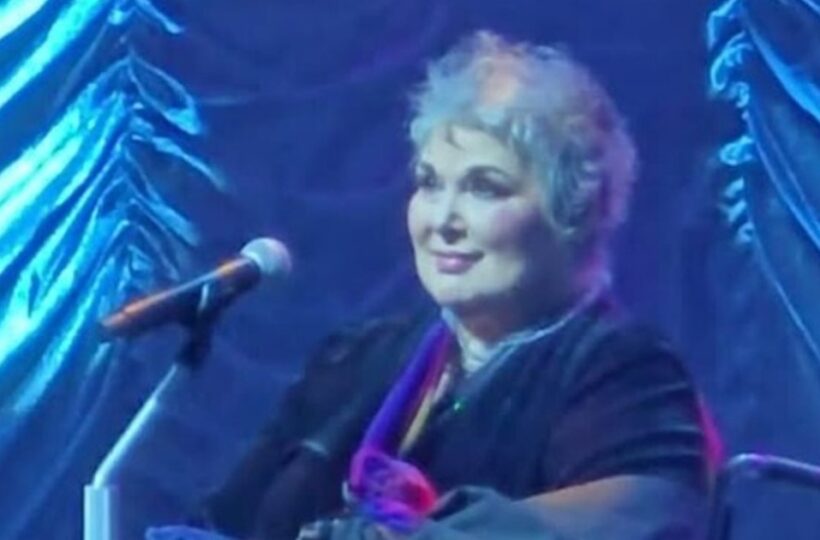
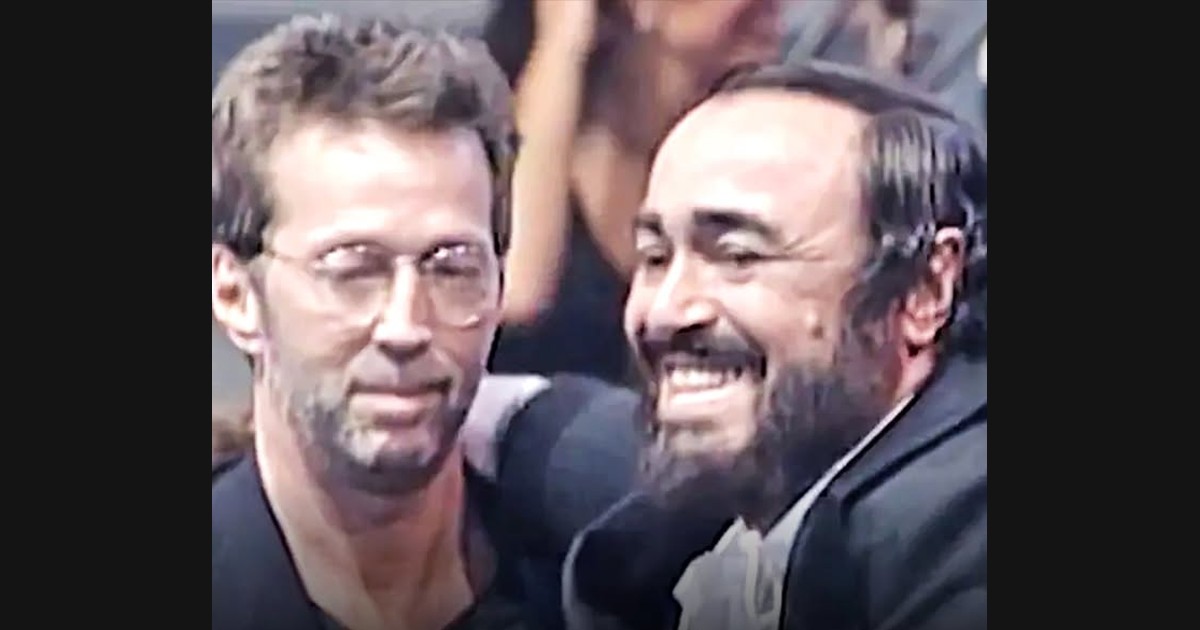
The accompanying photograph reflects the same partnership, placing Draiman and Kennedy beside each other onstage. Its fan caption celebrates hearing an already admired song in a newly compelling form. The recording below provides the opportunity to hear that difference directly, from the opening restraint to the fullest passages of the duet.
Listen to the changing balance as the performance develops. Draiman anchors the lower part with weight and intensity, while Kennedy gives the upper line a contrasting brightness. Their interaction carries the song forward. The most revealing details often occur within a phrase, before either singer reaches the larger notes at its end.
Disturbed’s March 2016 appearance on Conan offers a separate view of the arrangement. Draiman is the featured singer there, supported by orchestral accompaniment. Paul Simon subsequently praised that television rendition on his official website. Beside the Houston duet, it helps make the effect of Kennedy’s added voice easier to hear.
The television performance and the collaboration with Kennedy come from different appearances. One focuses the vocal drama through Draiman alone; the other distributes it between two singers. Both retain the recognizable outline of Disturbed’s interpretation, demonstrating how the center of an arrangement can change without losing its musical identity.
Simon & Garfunkel’s 1981 Concert in Central Park recording supplies another live perspective on the song. The blend of its familiar vocal partners creates a different scale and atmosphere. It offers a useful reference for hearing how harmony and the relationship between singers can influence the same composition across distinct performances.
That relationship is also the heart of the Houston collaboration. Disturbed provide the arrangement’s broad dramatic shape, and Kennedy changes the detail within it through his phrasing and upper line. The result rewards another listen to a familiar song, especially in the quieter passages where the voices begin to establish their connection.