Why Every Miss Would Stand Out in Layla Clark’s Opening
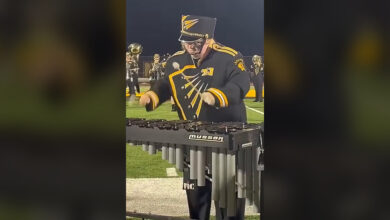
The close view of Layla Clark at the percussion bars suggests an answer to why players responded to the clip the way they did. The notes are recognizable enough that a misplaced one could change the shape your ear expects. The player has to account for both the timing of the hits and the places where they land.
A drummer in the comment archive pointed to the size and proximity of the playing surfaces. It is possible to see those constraints without knowing the name of the instrument. The video shows how closely the mallets move around each other while the sound has to stay clear.
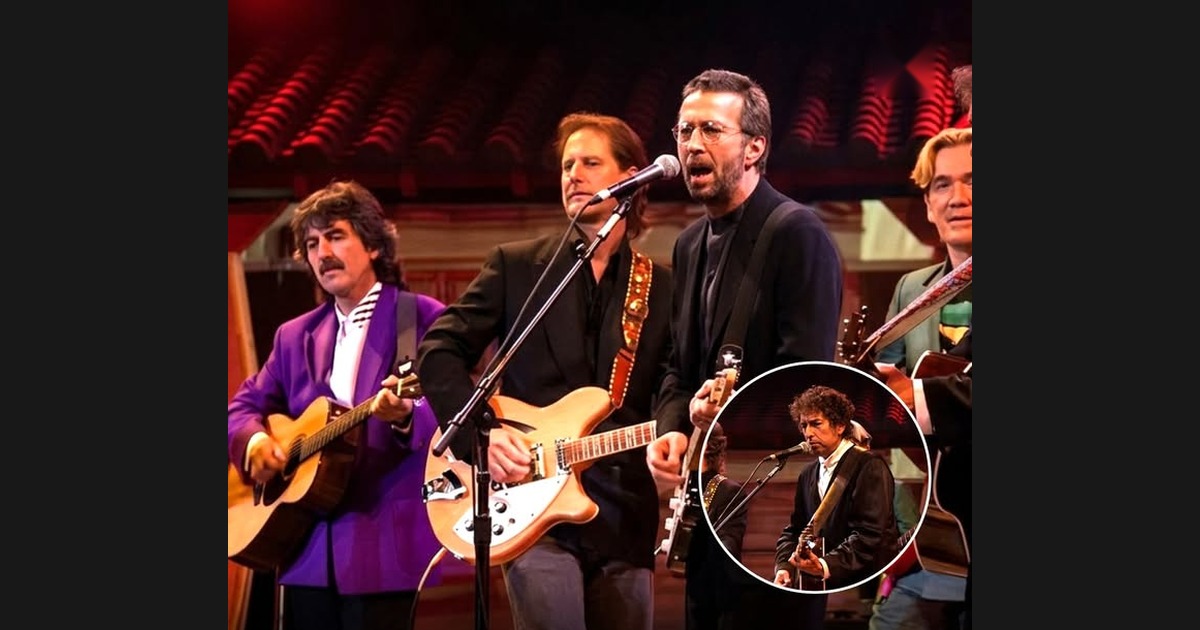
In the larger field setting, everything after the first individual notes needs the opening pulse to remain recognizable. A different arrangement of “Thunderstruck,” made by 2Cellos, supplies a separate example of how the familiar notes can remain clear while the mechanics of playing them change.
Follow the tips of the mallets on the next replay. There is very little room between some of the decisions.
Even a different adaptation of the riff has to leave each note distinct enough for someone to name the song. In the other recording you can hear what happens to those small gaps when the shape goes through another player’s hands.