The Human Detail a Phone Camera Keeps in a Halftime Performance
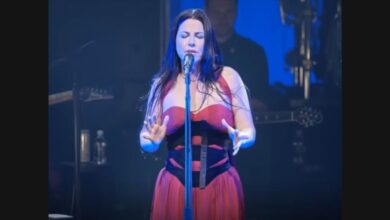
The close-up survives the change in scale across the clip. Layla Clark is easy to follow while the first notes are playing and still in view once the arrangement has more people in it. Her expression near the end can belong to the crowd’s memory even though dozens of people helped make the sound.
There is a practical camera choice behind that. Staying with one performer makes the music feel immediate and leaves enough time for a small reaction to register. A wider clip can show how the rest of the field works while this angle gives a new viewer a person to follow.
The source clip stayed close to Layla Clark’s part of the Jaguars’ performance. A wider recording puts her among the other players, and the AC/DC recording gives listeners the tune that many recognized before they knew why the close-up was being shared.
Seeing both views makes it easier to remember the ending as part of a full show.
Each camera angle has a different scale to work with. One gives an isolated musician enough space for the expression on her face to matter. The other helps the sound occupy a field and reach a crowd.