Pentatonix’s A Cappella Mastery Reimagines Queen’s Bohemian Rhapsody
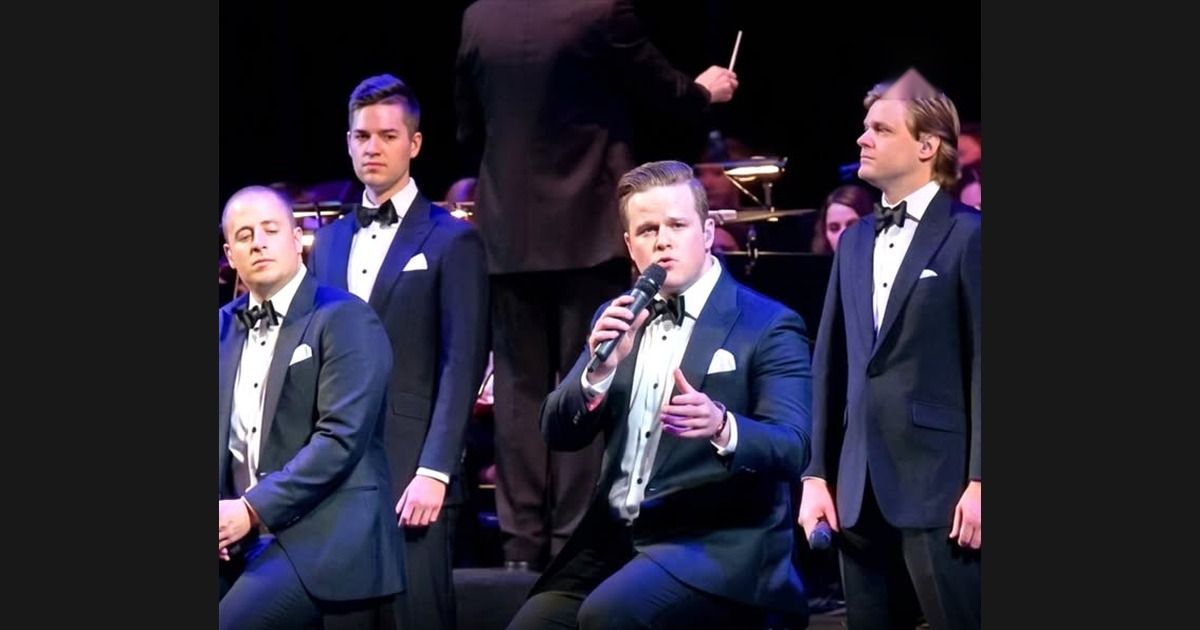
Pentatonix’s arrangement of Queen’s ‘Bohemian Rhapsody’ pushes the boundaries of a cappella music by relying solely on five voices to recreate one of rock’s most complex and beloved songs. Taking on a piece known for its intricate instrumentation and operatic sections, the group tackles the song’s shifting moods and textures with expert vocal skills.
The performance starts with an accessible blend of harmonies, allowing listeners to recognize the fundamental melody while gradually building in complexity. The members transition smoothly between parts, each contributing distinct vocal textures that simulate the full band sound.
Kirstin Maldonado’s high note during the iconic ‘I see a little silhouetto’ section stands out as a vocal highlight, adding emotional intensity and dramatic flair in one of the song’s most theatrical moments.
Mitch Grassi channels the spirit and style of Freddie Mercury, delivering lead vocals with charisma and power. This homage helps tie the a cappella version back to Queen’s original while allowing the group to put their own stamp on the piece.
The use of vocal percussion creates a rhythmic foundation, keeping the pace and mimicking the dynamic beats found in the original track. It supports the arrangement’s movement and emphasizes the song’s dramatic shifts.
Watch the performance
Pentatonix approaches the arrangement like a well-crafted puzzle, carefully balancing harmony and melody to maintain the song’s narrative and emotional weight. Their voices replace the instrumental dynamics, using bass lines for grounding and higher harmonies for the soaring melodic lines.
Each band member has a defined role that goes beyond mere singing — combining sustained notes, rhythmic hits, and layered phrases to fill the soundscape typically occupied by guitars, drums, and piano.
The operatic section showcases the group’s tight coordination, with precisely timed vocal entries and contrasting vocal colors that heighten the drama. This section is demanding, requiring expert timing and tone control.
Their rigorous vocal discipline creates a sense of tension and release comparable to Queen’s original production, ensuring the song’s iconic shifts feel authentic even without instruments.
Pentatonix’s choice to cover ‘Bohemian Rhapsody’ as part of their ‘Classics’ album roots their work among celebrated musical repertoires, emphasizing their skill in reinterpreting iconic songs for contemporary audiences.
This rendition has resonated deeply, earning over a million views. Fans appreciate the breathing new life into a song that many thought impossible to recreate solely with voices.
The arrangement preserves recognizable elements while innovating through a cappella techniques, exemplifying how vocal music can both honor and transform legendary material.
Their performance not only pays respect to Queen’s masterpiece but also highlights the unique capabilities of vocal harmony and percussion within modern a cappella music.
Pentatonix stands as a symbol of creative adaptation, demonstrating that classic rock anthems can find fresh expressions without traditional instruments.
This performance inspires a broader appreciation for vocal music’s versatility, encouraging listeners to reconsider the boundaries of how iconic songs can be experienced.
Two more performances to explore
Pentatonix – Bohemian Rhapsody (Live)
This live version captures Pentatonix performing ‘Bohemian Rhapsody’ in a concert setting, showcasing their a cappella artistry with added audience energy and raw vocal dynamics.
Pentatonix – Hallelujah (Official Video)
Another Pentatonix arrangement spotlighting their vocal harmony skills, ‘Hallelujah’ complements their ‘Bohemian Rhapsody’ cover with deep emotion and rich a cappella textures.