How a Baby Eagle and a Clydesdale Stole Super Bowl 2026 Without Making a Sound
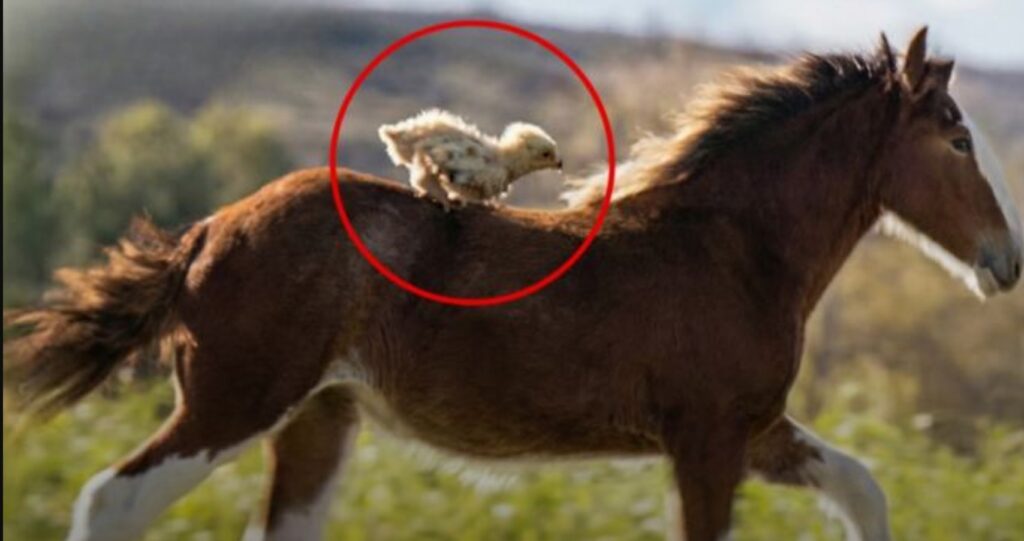
In the middle of Super Bowl 2026—an event built on volume, flash, and constant escalation—Budweiser took a strikingly different path. While other brands pushed for bigger and louder, it leaned into silence. What it delivered was almost disarmingly small: a baby bald eagle gently stepping onto the broad back of a Clydesdale.
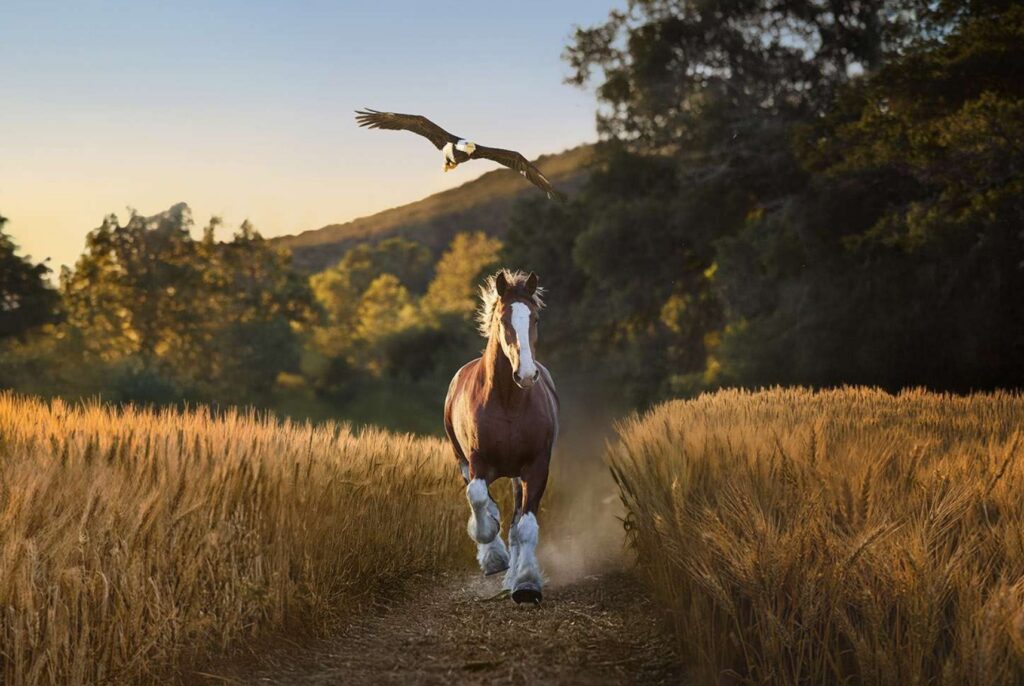
There was no dramatic setup and no emotional instruction manual for the audience. No commanding narration. No swelling soundtrack telling viewers when to react. Just a small, slightly unsteady eaglet moving toward a massive horse and climbing on with quiet confidence, as if it already knew it would be safe there. The contrast—fragile beside formidable, trust beside strength—cut straight through the night’s sensory overload.
That restraint is exactly what gave the moment its impact. For a brief stretch of time, the familiar roar of the Super Bowl seemed to fade away. Viewers weren’t being steered toward emotion; they were simply allowed to feel it. One tiny bird. One solid presence. Nothing spelled out. The simplicity made it feel genuine rather than manufactured, and that feeling lingered well after the screen went dark.
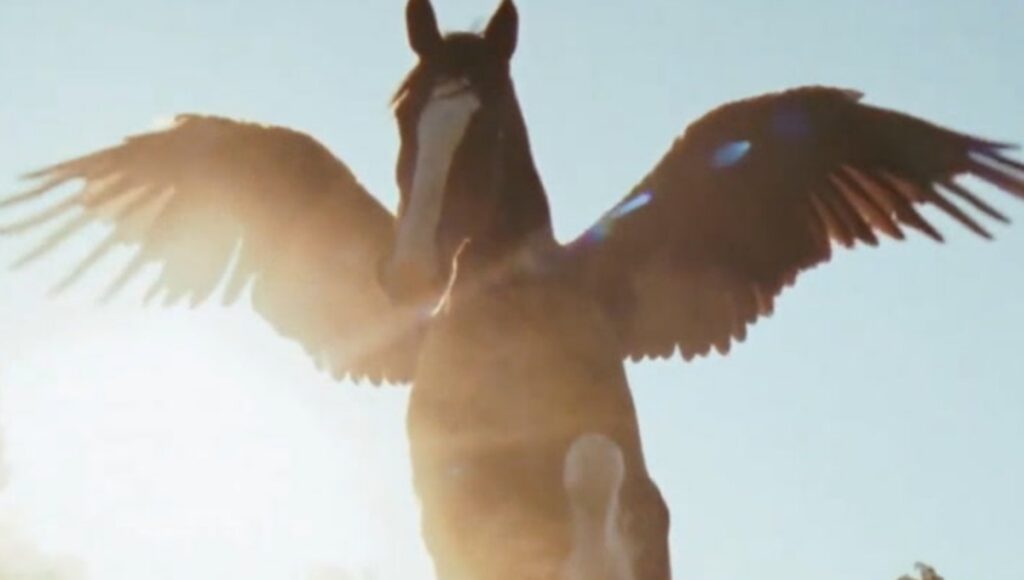
The commercial, titled “American Icons,” was created to celebrate Budweiser’s 150th year of brewing in the United States. Drawing on imagery long tied to the brand’s identity, the ad brings together two enduring American symbols: the Clydesdale and the bald eagle. The story unfolds patiently, showing the animals growing alongside one another, weathering storms and wide-open landscapes, until it culminates in the eagle standing proudly on the horse’s back, wings outstretched—an almost mythical image that many compared to a living pegasus.
The spot closes with the familiar phrase “Made of America,” followed by “For 150 Years, This Bud’s For You.” Instead of applause or laughter, the ending left many viewers with goosebumps. Reactions flooded social media almost immediately, with countless people calling it the most emotional commercial of the night—and for some, the strongest Budweiser ad in years.
Responses ranged from openly patriotic to deeply personal. Some viewers praised the brand for returning to what they felt were its roots, while others admitted they’d replayed the ad multiple times and felt the same emotional pull each time. A few even joked that they would have gladly swapped the halftime show for a loop of the commercial on the stadium screen.
The timing of the ad added another layer of significance. Budweiser’s Super Bowl moment comes years after the brand faced heavy backlash following a 2023 partnership with transgender influencer Dylan Mulvaney—a move that sparked intense criticism from conservative audiences while also disappointing supporters who felt the company later failed to stand firmly behind her.
In the years since, the brand has largely steered clear of direct cultural flashpoints, instead refocusing on heritage, unity, and shared identity. “American Icons” fits squarely within that shift—not by confronting controversy directly, but by leaning into imagery designed to feel timeless, non-confrontational, and emotionally grounding.
Seen through that lens, the ad’s strength lies not only in what it shows, but in what it deliberately avoids. It doesn’t argue. It doesn’t provoke. It doesn’t shout. It simply offers a moment of balance and trust, leaving viewers free to attach their own meaning to it.
Whether interpreted as a creative comeback, a symbolic reset, or simply a masterfully told story, one thing is undeniable: on a night engineered to overwhelm, Budweiser’s quiet restraint stood out the most. One small step from a baby eagle was enough to turn a beer commercial into the image people keep talking about—and a reminder that sometimes the softest moments leave the deepest impression.