Ilia Malinin And The Weight Of Falling In Real Time
Malinin’s career has always been defined by audacity rather than caution. From the earliest stages of his rise, he has chosen to challenge the sport’s limits instead of managing them. He doesn’t simply attempt the hardest content available; he reshapes expectations around what elite men’s skating can look like. That fearless mindset is what fueled his historic breakthroughs, but it is also what makes moments of failure feel heavier, more personal, and harder to separate from self-worth.
At the Olympic level, risk carries a different emotional weight. Every decision is magnified, every mistake amplified by the scale of the moment. Two imperfect landings are not just deductions on a protocol sheet; they become symbols in an athlete’s internal story. For someone like Malinin, whose identity is intertwined with innovation and execution, those slips can echo louder than years of success.
What unfolded on the ice wasn’t simply a technical struggle, but a collision between ambition and reality. Olympic competition leaves no margin for adjustment, no second attempt to recalibrate. When risk doesn’t pay off under those conditions, disappointment can arrive all at once, without the gradual processing athletes often rely on during a regular season.

Sports psychologists often point out that elite competitors tie their sense of identity closely to performance. When execution falters, that identity can feel briefly shaken, as if the foundation has cracked. For athletes conditioned to measure themselves through precision and control, a public stumble challenges more than rankings; it challenges self-perception.
Social media intensifies that vulnerability in ways previous generations never experienced. Reactions arrive instantly, layered with praise, criticism, sympathy, and speculation all at once. There is no quiet space to decompress before the world weighs in. The result is an emotional echo chamber where every feeling is reflected back at full volume.
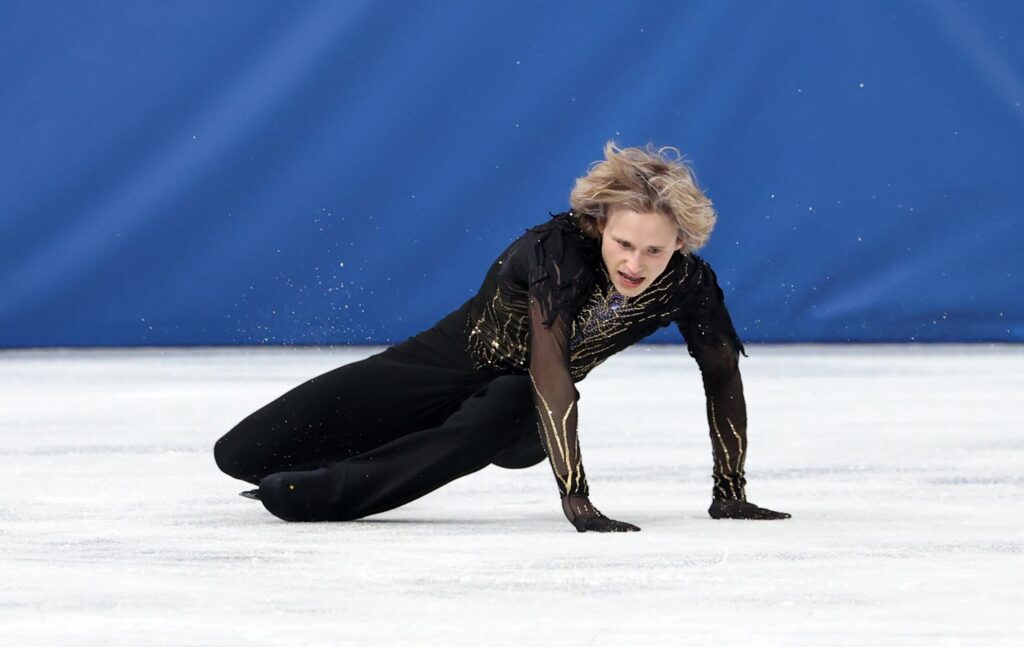
In Malinin’s case, that flood of response revealed how deeply invested fans have become in his journey. Messages of concern, encouragement, and reassurance poured in, often emphasizing that one Olympic skate cannot undo years of impact. Rather than judgment, the dominant tone was empathy — a reminder that progress and heartbreak often coexist.
Supporters reminded him that innovation has always come with setbacks. Pushing boundaries means accepting that not every attempt will land cleanly, especially under Olympic pressure. The very risks that elevate a sport are the same risks that expose athletes to moments of visible vulnerability.
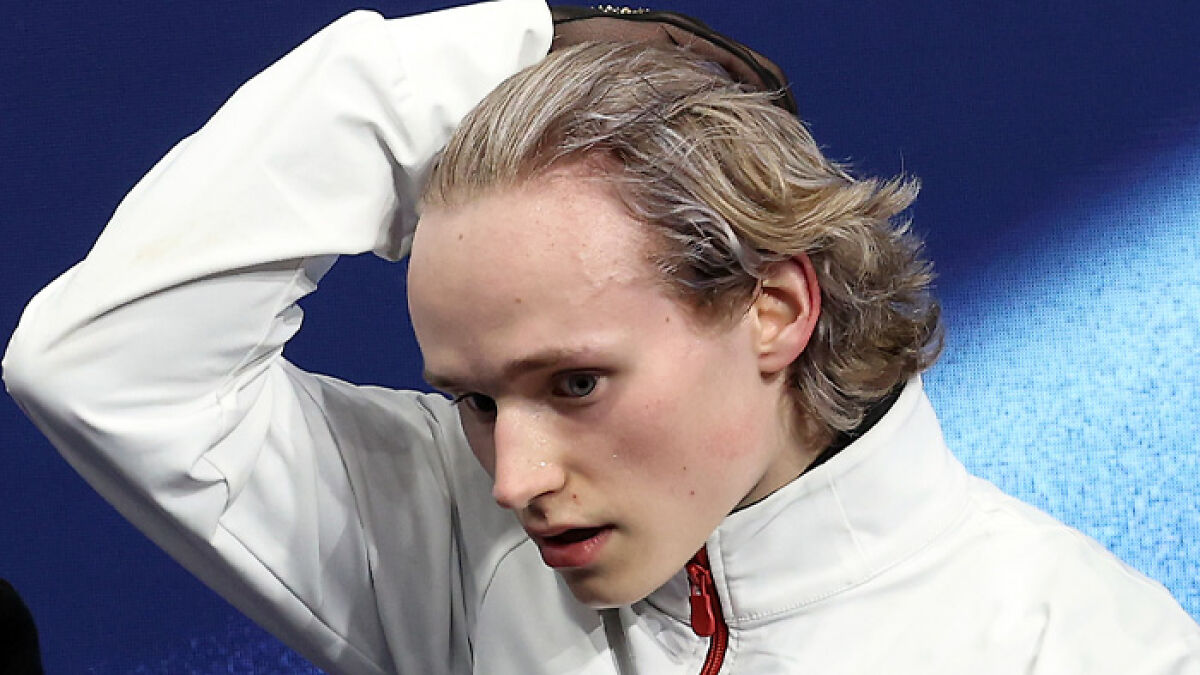
In many ways, his post-competition reflections revealed something more enduring than flawless quads. They showed accountability, self-awareness, and the courage to acknowledge disappointment without deflection. For an athlete known for confidence and technical dominance, that openness marked a different kind of strength.
Olympic heartbreak itself is nothing new. History is filled with champions who left the Games carrying unresolved emotions alongside medals or missed opportunities. What feels new is watching that process unfold publicly, in real time, through captions, comments, and shared moments of doubt.
There is a growing awareness within the skating community that emotional resilience is as critical as physical preparation. Conversations sparked by moments like this extend beyond one athlete, highlighting the mental demands placed on competitors operating at the edge of human capability.
For Malinin, the ice delivered a difficult lesson, but not an isolating one. The response from fellow skaters, fans, and observers made it clear that he is not alone in absorbing the weight of disappointment. Shared understanding can soften even the sharpest setbacks.
His journey remains defined not by a single Olympic result, but by the arc of risk, ambition, and evolution that brought him there. Setbacks do not erase influence; they contextualize it. The willingness to face them openly often shapes an athlete’s legacy as much as medals do.
And sometimes, the strongest comeback does not begin with another jump or a revised layout. It begins with an honest admission of how deeply the fall hurt — and the decision to keep moving forward anyway.