Roberto Bolle Bridges Art And Sport At The Milano-Cortina 2026 Closing Ceremony
Milano Cortina 2026 Closing Ceremony: Why Roberto Bolle at the Olympics matters
When Italy’s most internationally recognised ballet figure brings his craft to the Closing Ceremony of the Winter Games, it becomes more than a performance. It turns into a statement about the shared foundations of art and sport, and why Roberto Bolle’s role resonates far beyond the stage.
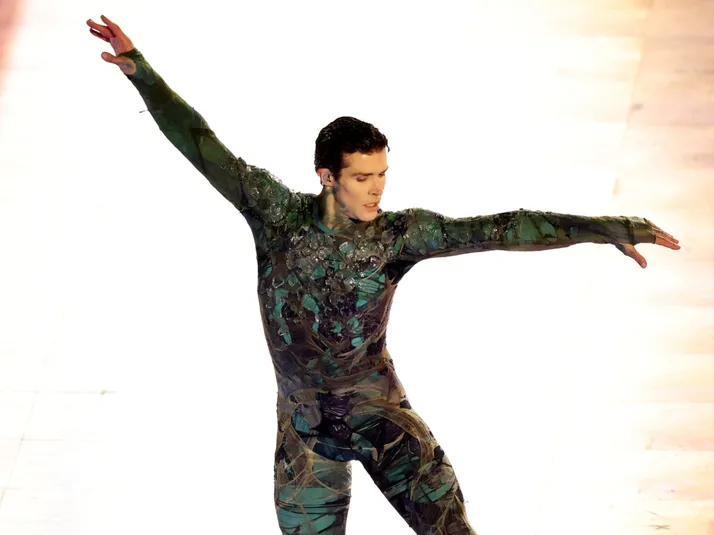
The Olympic Winter Games Milano Cortina 2026 have already carved out a special place in history, and the Closing Ceremony is set to reflect that significance. At its heart stands Italian ballet icon Roberto Bolle, whose appearance gives the finale a cultural weight equal to its sporting triumphs.
At 51, the étoile remains one of Italy’s most recognisable cultural ambassadors. His performance on Sunday night, 22 February, at the Verona Olympic Arena is not just a guest appearance, but a clear and deliberate link between athletic achievement and artistic mastery.
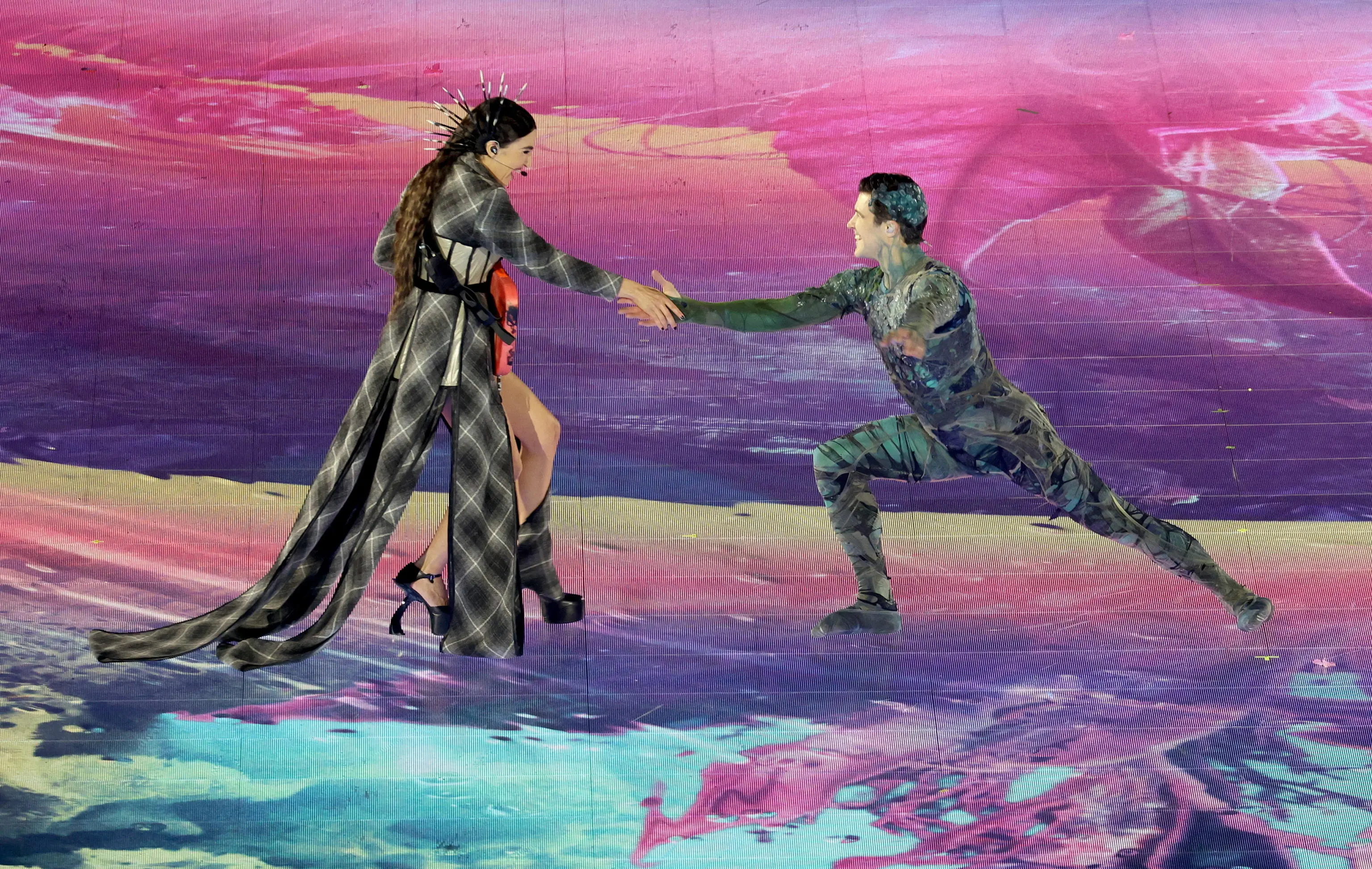
For more than two decades, Bolle has carried Italian ballet onto the world’s most prestigious stages, representing the legacy of La Scala and the country’s classical tradition. His presence at the Olympic Games is not decorative. It is deeply symbolic, placing culture on the same platform as competition.
Ballet and sport speak the same language. Discipline, repetition, sacrifice, and the constant pursuit of precision define both worlds. The difference lies largely in presentation. Athletes measure success in seconds and distances, while dancers measure it through balance, line, and control. The physical demands, however, are equally relentless.
@milanocortina2026 Thank you Roberto Bolle for your art ❤️ #MilanoCortina2026 #Olympics #Olimpiadi #WinterSports #ClosingCeremony ♬ original sound – Milano Cortina 2026
Bolle’s career mirrors the intensity of elite sport. Endless hours at the barre reflect the grind of daily training sessions. Core strength, flexibility, recovery, and mental resilience are as essential to a principal dancer as they are to an Olympic champion. Injuries are part of both paths, as is the challenge of sustaining excellence over time.
His appearance reinforces one of the Olympic movement’s founding principles: sport and culture are inseparable. From the earliest modern Games, artistic expression was meant to exist alongside athletic competition. Bolle embodies that idea in motion, showing that greatness, whether achieved through a triple jump or a grand jeté, springs from the same human drive.
There is also a powerful national message. Italy’s cultural heritage is as influential as its sporting success. In a Winter Games where the host nation has recorded its highest medal tally ever, placing its most recognisable ballet figure on the Olympic stage signals that Italy is presenting its full identity to the world.
At a time when boundaries between disciplines continue to blur, Bolle’s presence serves as a reminder that elite performance begins with the same foundations. Whether in skates or ballet slippers, excellence is built on discipline, dedication, and the courage to step into the spotlight.