Clydesdales, a Bald Eagle, and “Free Bird”: Inside Budweiser’s Most Powerful Super Bowl Ad Yet
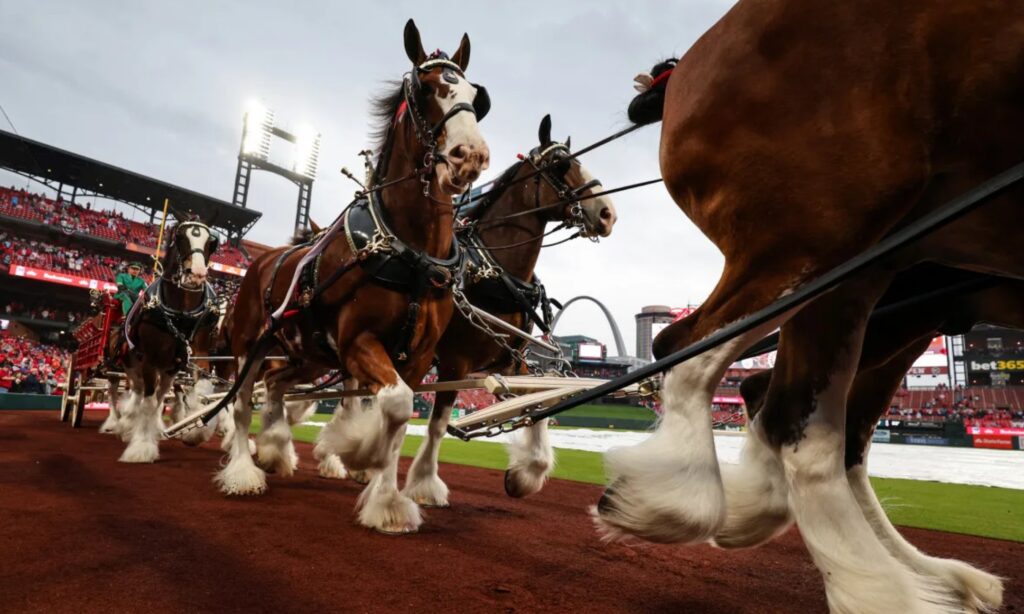
Budweiser’s presence at the 2026 Super Bowl felt less like a return and more like a reaffirmation of identity. Celebrating 150 years of brewing in the United States, the brand chose not to chase trends or compete for attention through spectacle. Instead, it leaned into the visual language that has defined Budweiser for generations, trusting emotion, symbolism, and patience to carry the message rather than noise.
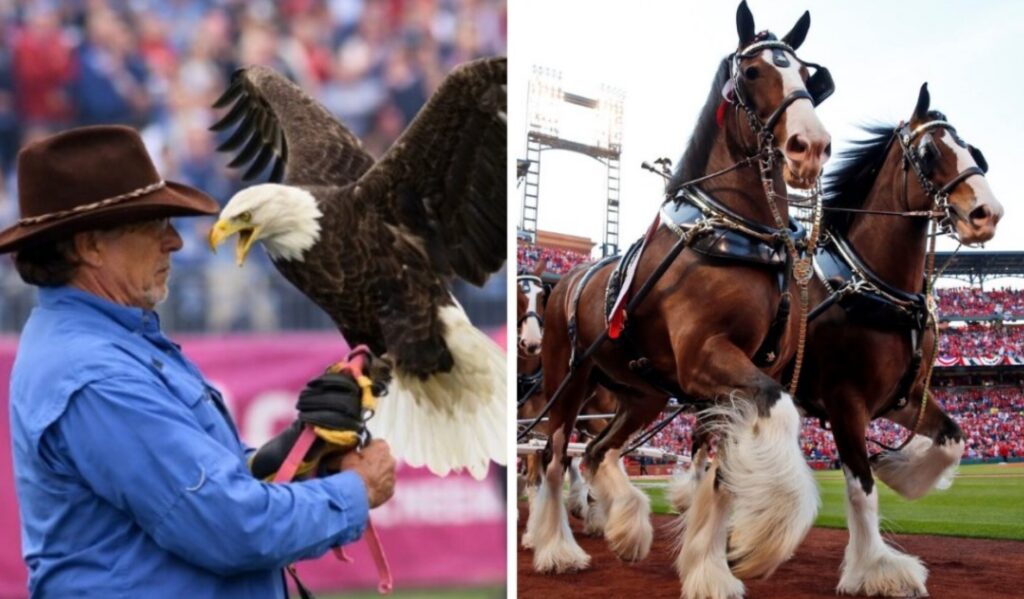
The commercial, titled American Icons, centers on two figures deeply rooted in American imagery: a Budweiser Clydesdale and a bald eagle. These aren’t decorative choices or marketing shortcuts. For decades, the Clydesdales have symbolized tradition, craftsmanship, and continuity, while the bald eagle has long stood as a national emblem of freedom and endurance. Bringing them together felt deliberate, tapping into shared cultural memory rather than trying to invent something new.
The story opens quietly, with a young Clydesdale foal stepping into the morning and breaking into a run across open land. The pacing is calm and measured, recalling Budweiser’s classic ads that allow scenes to breathe. As the foal moves through the field, it comes upon a bald eagle chick that has fallen from its nest, grounded and unable to fly. The encounter is gentle, setting an emotional tone rooted in care rather than drama.
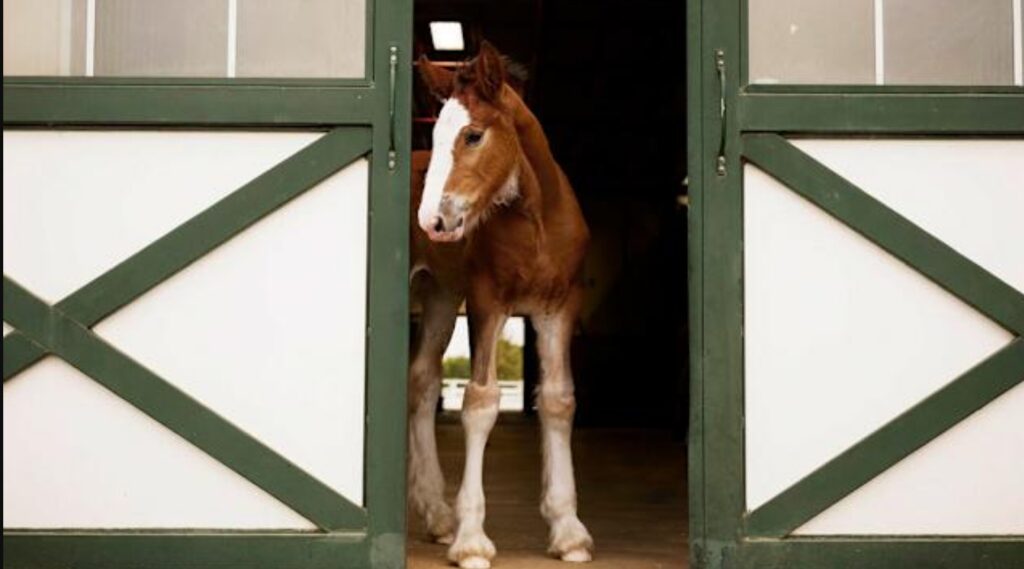
The eaglet is portrayed as vulnerable but unharmed, too young to take flight and clearly out of place. There’s no panic or exaggerated tension. Instead, the moment relies on stillness and observation. The foal’s quiet presence establishes a bond that needs no explanation, allowing the relationship between the two animals to unfold naturally without dialogue or narration.
As the ad progresses, time passes through subtle visual cues. Rain, snow, and changing landscapes mark the seasons as both animals grow. The foal becomes stronger and more assured, while the eaglet develops balance and confidence. These moments serve as visual metaphors for growth and perseverance, emphasizing companionship and shared progress rather than individual triumph.
The relationship between the animals is portrayed as equal and mutual. Neither leads, neither follows. Instead, they move through life side by side, reinforcing a sense of trust and quiet support. It’s a theme that mirrors Budweiser’s broader message of continuity — progress built over time rather than rushed or forced.
Music plays a defining role in shaping the emotional impact. Lynyrd Skynyrd’s Free Bird slowly builds beneath the visuals, its familiar progression echoing the evolution on screen. The song’s associations with freedom and American cultural memory deepen the resonance, allowing emotion to rise gradually instead of hitting all at once.
One of the most striking moments arrives near the end, when the now fully grown eagle spreads its wings while perched atop the running Clydesdale. As the horse charges forward, the eagle lifts off, briefly creating an image that feels almost mythical — a fleeting illusion of a winged horse. The shot is grand but restrained, designed to linger rather than overwhelm.
The final moments return the story to human scale. A farmer watches the animals with visible emotion, quietly absorbing what he sees. When asked if he’s crying, he deflects with a simple, relatable line about the sun in his eyes. The moment grounds the symbolism, reminding viewers that behind the imagery are real people connected to the land.
Budweiser later confirmed that the farmer featured is a real barley grower, tying the ad’s emotional arc back to the agricultural roots of the brand. It’s a subtle detail, but one that reinforces authenticity and continuity rather than fantasy alone.
The closing lines — Made of America and For 150 Years, This Bud’s For You — don’t explain the story or spell out its meaning. By that point, they don’t need to. The message has already been communicated through tone, imagery, and restraint. The words act as a signature, not a pitch.
Behind the scenes, Budweiser once again collaborated with filmmaker Henry-Alex Rubin, continuing a partnership built on realism and emotional clarity. The production also worked closely with the American Eagle Foundation, with oversight from the U.S. Fish and Wildlife Service, ensuring the eagle’s participation met strict ethical standards.
What sets American Icons apart in a crowded Super Bowl advertising landscape is its refusal to chase immediacy. There are no rapid cuts, no celebrity cameos, and no jokes engineered for instant virality. Instead, the commercial invites viewers to slow down, to sit with the images and let them unfold at their own pace.
In a moment when many audiences feel overwhelmed by loud, overproduced commercials, Budweiser chose stillness. The ad doesn’t ask for applause or shock — it asks for attention. That decision aligns with the brand’s long-standing belief that emotional resonance outlasts novelty.
By linking its 150th anniversary with the nation’s approaching 250th birthday, Budweiser positioned the spot as more than a brand milestone. It becomes a reflection on shared history, resilience, and continuity — themes that transcend marketing and tap into collective identity.
Ultimately, American Icons doesn’t try to reinvent Super Bowl advertising. Instead, it reinforces why Budweiser has remained a fixture for decades. In a year dominated by spectacle, the brand succeeded by trusting timeless symbols, careful storytelling, and emotional restraint — reminding viewers that sometimes the quietest moments leave the deepest mark.