The quiet piano that gave A Charlie Brown Christmas its soul
How One Pianist’s Music Became the Soul of A Charlie Brown Christmas
You recognize the little tree instantly.
You can recite Linus’ speech without hesitation.
But the second the piano begins, everything else fades, and you know exactly where you are.
Very few television specials are etched into collective memory the way A Charlie Brown Christmas is. Its animation is simple, its message sincere, its characters timeless. Yet for many viewers, the true reason it lingers year after year is neither the dialogue nor the visuals — it’s the music that quietly stays with you.
That emotional foundation came from an unlikely source: a reserved jazz pianist whose work didn’t merely sit beneath the story, but shaped how the story felt. Vince Guaraldi’s music didn’t decorate Charlie Brown’s world — it gave that world its pulse.
A Radical Choice for 1965 Television
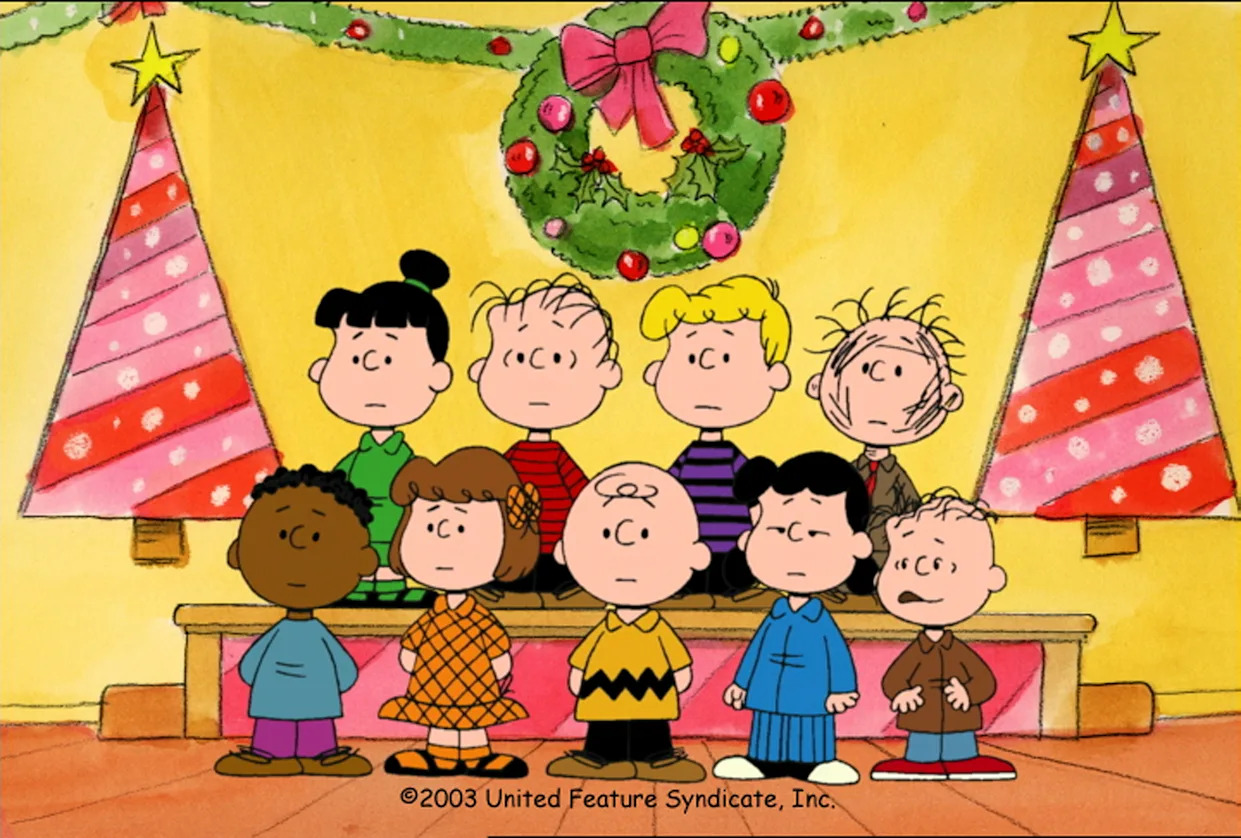
In the mid-1960s, holiday television followed a familiar formula. Music was expected to be bold, orchestral, and relentlessly cheerful — designed to keep energy high and emotions obvious.
Guaraldi quietly rejected all of that.
His score was restrained.
Personal.
At times wistful — yet unmistakably warm.
When Peanuts creator Charles M. Schulz pushed to feature Guaraldi’s jazz compositions, network executives hesitated. Jazz wasn’t viewed as appropriate for children. It didn’t spell out emotions or guide reactions — it left space for interpretation.
That discomfort turned out to be the breakthrough.
Music That Felt Like Childhood
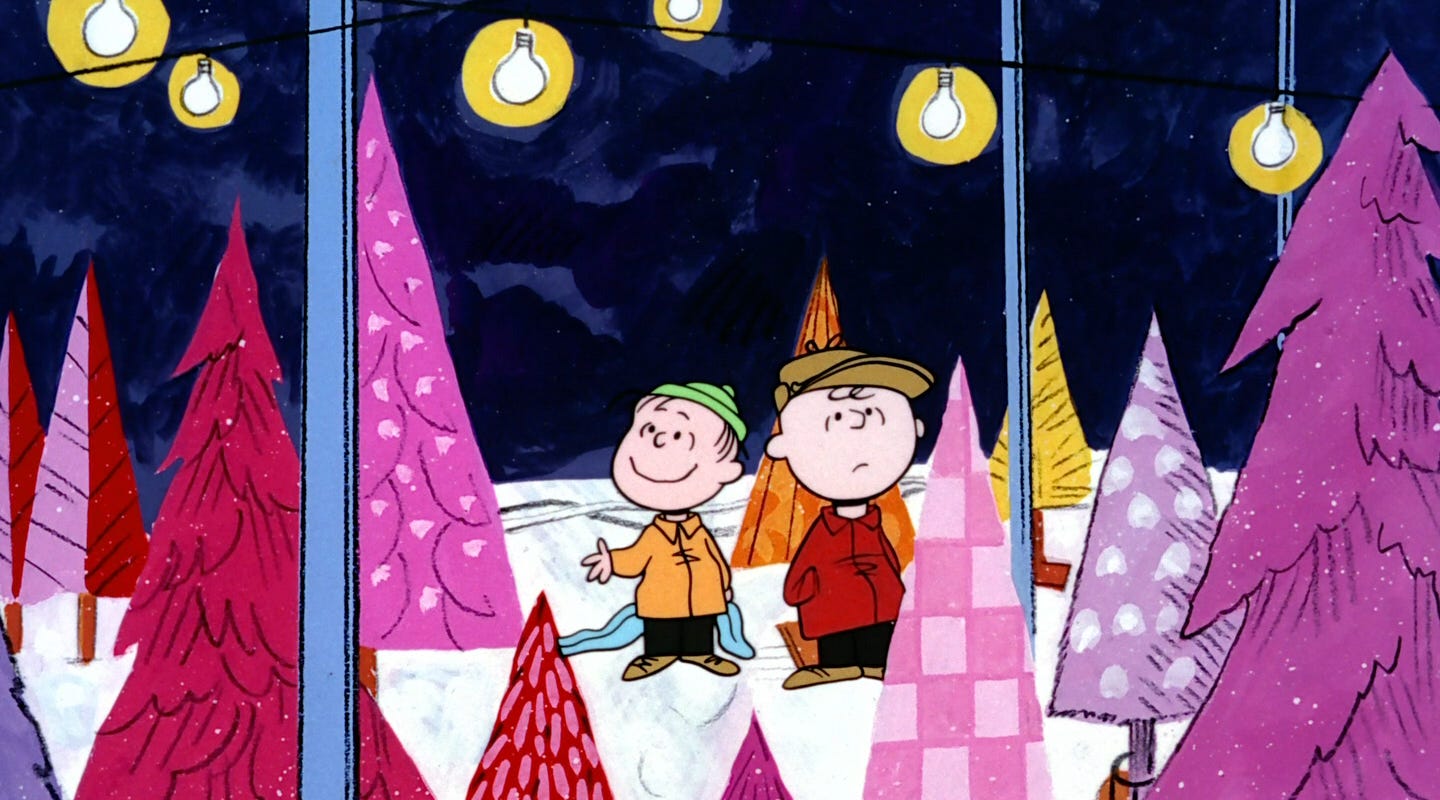
Guaraldi understood something adults often forget: childhood isn’t a constant stream of happiness.
His piano voiced what Charlie Brown experiences but rarely articulates — quiet loneliness, fragile hope, uncertainty, and moments of joy that arrive gently instead of triumphantly. Pieces like “Christmas Time Is Here” didn’t force feeling; they allowed it to rise naturally.
The skating scene, accompanied only by Guaraldi’s relaxed swing, became one of the most tranquil moments ever broadcast on television. No dialogue. No explanation. Just motion, breath, and music carrying the narrative forward.
It placed trust in the viewer’s emotional intelligence.
“Linus and Lucy”: Joy With an Edge
Then there is “Linus and Lucy” — energetic, rhythmic, and completely unlike anything else airing at the time. Its playful bounce gave each character personality and movement without a single spoken word.
The piece didn’t just become synonymous with Charlie Brown — it captured the spirit of an era.
Even decades later, it remains instantly recognizable. Still bright. Still alive. Not because it aimed for timelessness, but because it was rooted in honesty.
Why the Music Endured When Everything Else Changed
Holiday specials rotate in and out of memory. Styles shift. Technology advances. Animation evolves.
Guaraldi’s music remains untouched.
It endures because it never demands attention — it invites it. The music makes room for reflection, allowing melancholy and warmth to exist together, just as they often do during the holidays.
That emotional sincerity is why families return to the special year after year. Music doesn’t age when the feelings it expresses remain universal.
A Quiet Legacy That Became Immortal
Vince Guaraldi never lived to fully witness how deeply his work would settle into global culture. Yet every December, his piano returns — echoing through living rooms, schools, churches, and headphones — carrying the same gentle message.
That Christmas doesn’t need volume to matter.
That joy doesn’t require spectacle.
And that the most meaningful moments often arrive softly.
Guaraldi didn’t simply compose music for A Charlie Brown Christmas.
He gave it its emotional soul.