Why Aly Raisman Says Alysa Liu’s Olympic Gold Felt Like Healing
Winter Olympics 2026: Alysa Liu won gold her way. That’s magic, says Aly Raisman
The three-time Olympic gymnastics champion explains why the American skater’s gold medal felt deeply restorative — and how Liu’s journey could influence the future of elite sport.
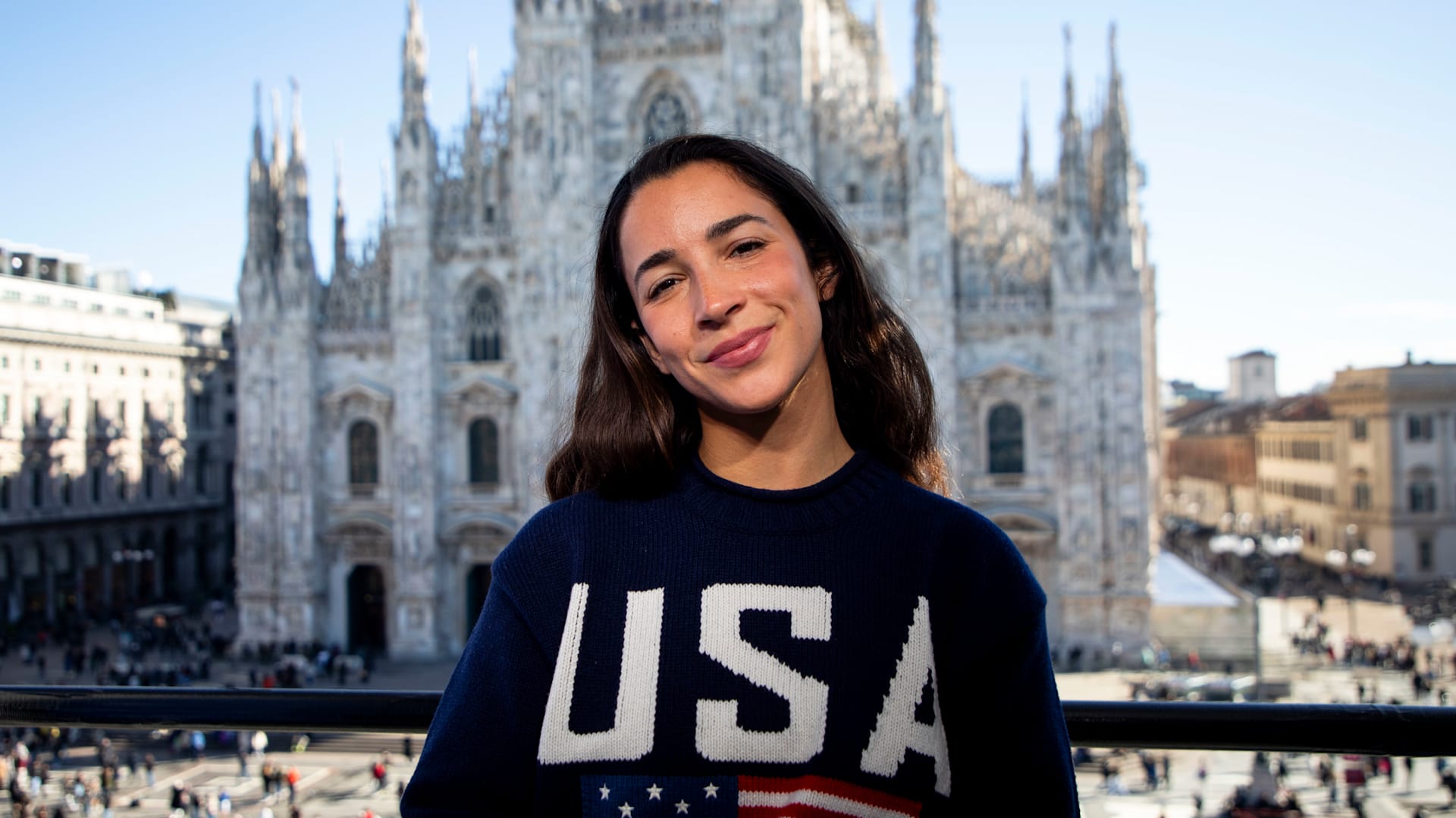
Some Olympic moments arrive with noise, spectacle, and instant mythology.
Others unfold quietly — yet stay with you long after the arena empties.
They endure not because of scores or medals alone, but because they touch something deeper, something unmistakably human.
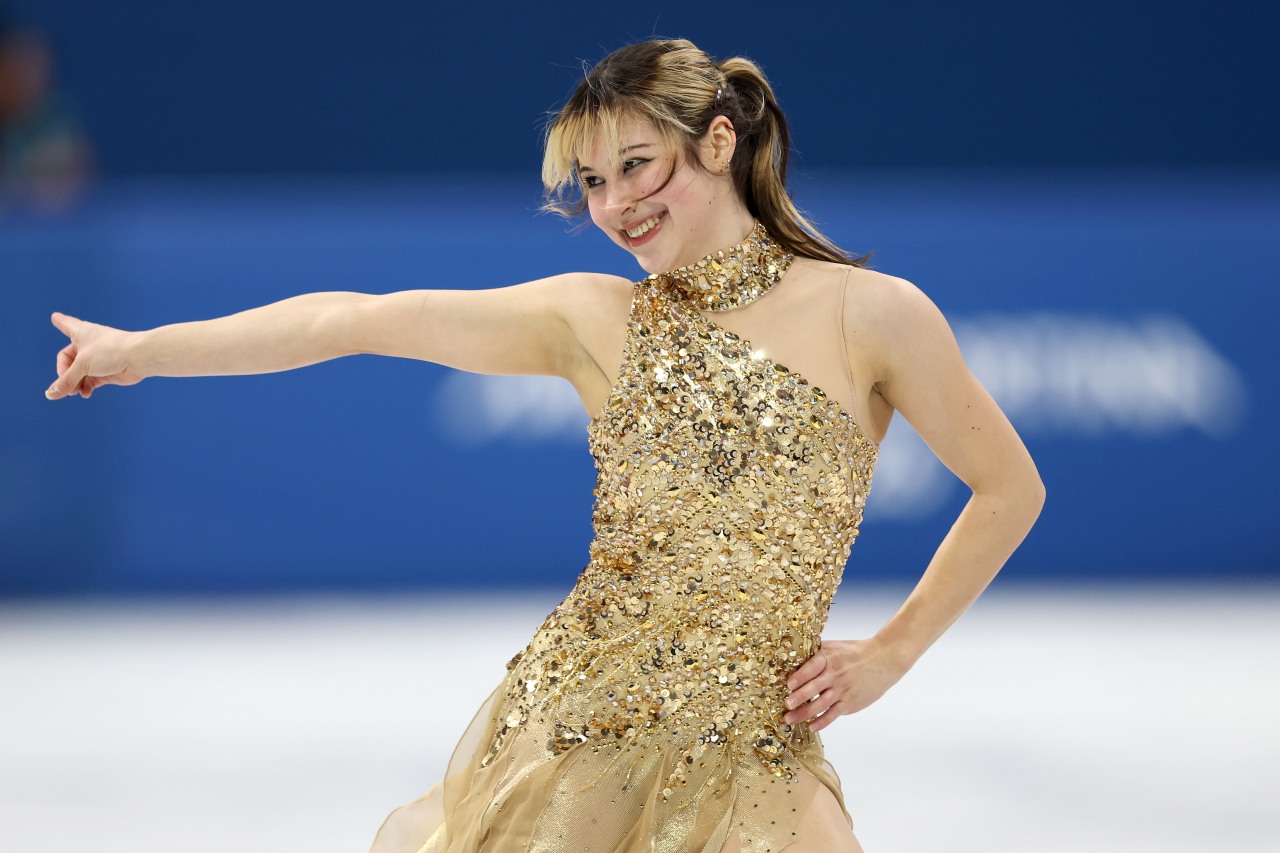
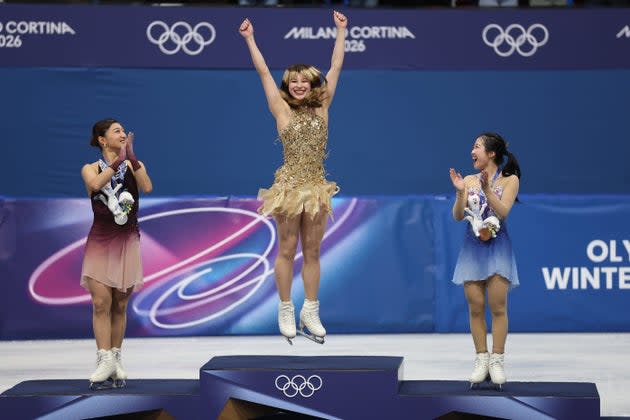
For U.S. gymnast Aly Raisman, a three-time Olympic gold medallist who understands the emotional gravity of the Games better than most, Alysa Liu’s victory in the women’s figure skating event at the Olympic Winter Games Milano Cortina 2026 belonged firmly to that second category.
As Liu secured gold on Thursday night, 19 February, Raisman didn’t just see technical excellence or competitive dominance. What she felt was something rarer — a sense of calm, clarity, and emotional release, standing in sharp contrast to the tension that so often defines Olympic success.
“Alysa’s really breaking down that wall and showing that when you love what you do and also respect yourself, when you have confidence, conviction, and belief in your choices — anything is possible,” Raisman told Olympics.com less than 24 hours after the performance. “It’s her belief in herself, but also the team she’s built around her. It’s incredible what can happen.”
That balance — between devotion to the sport and care for her own well-being — was what stayed with Raisman most.
At 31, Raisman has experienced Olympic pressure in its most intense forms. She captained U.S. teams to gold at London 2012 and Rio 2016, won floor exercise gold at her first Games, and returned four years later to finally claim the all-around silver medal that had narrowly eluded her.
She understands the nerves, the expectations, and the long-held belief that greatness must always come at a personal cost.
But watching Liu skate in Milano, Raisman sensed something unmistakably different.
“She just looked so free and genuinely joyful,” Raisman said. “It took me back to being a kid and loving the sport for what it was. You could really see that love out there.”
Aly Raisman pays tribute to Alysa Liu’s “courage”
That sense of freedom, Raisman believes, was built over time.
Liu’s decision to step away from competitive skating — and later return on her own terms in early 2024 — sits at the heart of her story. For Raisman, it represents far more than a comeback. It signals a shift in how athletes can reclaim control without sacrificing ambition.
“There’s this fear that if we truly listen to athletes, if we allow them to communicate and guide parts of their training,” Raisman said, “people worry that it means they won’t work as hard.”
That fear, she argues, misses the reality of elite sport entirely.
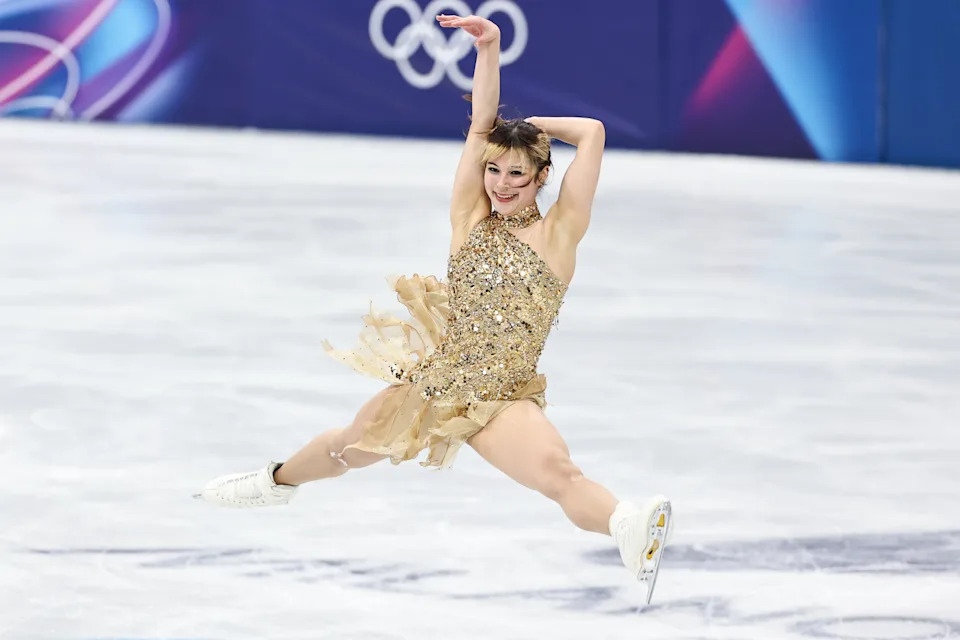
“You don’t need to motivate an Olympic athlete,” Raisman explained. “We’re already incredibly hard on ourselves.”
From Raisman’s perspective, Liu’s gold medal proves that empowerment and peak performance are not opposing forces. Giving athletes agency — whether that means stepping away, adjusting training, or being honest about their mental state — doesn’t weaken excellence. It protects it.
For Raisman, Milano felt like confirmation of a belief she has carried for years, one that had rarely been rewarded so clearly on the Olympic stage.
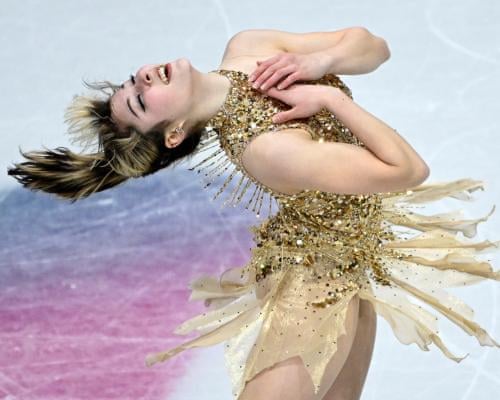
“I’m deeply thankful to Alysa — for her strength and her courage,” Raisman said. “And I’m grateful to her coaches, to U.S. Figure Skating, and to everyone around her who supported her in being fully herself. We were lucky to witness that.”
Raisman says she’s still absorbing what Liu’s performance represented — not just as a fan, but as someone who understands how profoundly the Olympic system can shape an athlete’s identity.
“Alysa shows that whether she wins or not, she’s simply happy to be there because she loves skating,” Raisman said. “There’s real magic when you listen to athletes and empower them to make choices that feel right. Moments like this remind us that anything truly is possible.”