No Beer, No Noise — How Budweiser Turned Emotion Into a Super Bowl Classic
When people think of beer advertising, a familiar picture usually forms: crowded bars, booming music, youthful energy, and raised glasses catching the light. For years, that formula defined how beer brands connected with audiences, especially during the Super Bowl. In 2014, however, Budweiser took a step that felt almost rebellious for the category. It aired a Super Bowl commercial that didn’t show beer at all — and in the process, quietly redefined what emotional storytelling could achieve on America’s biggest advertising stage.
The campaign, titled Puppy Love, wasn’t designed to overwhelm viewers with spectacle or volume. Instead, it leaned on restraint, patience, and narrative confidence — trusting that genuine emotion, when handled with care, could resonate more deeply than noise. What emerged wasn’t just a popular commercial, but one that would go on to be remembered as a defining Super Bowl ad of its era.
A radical creative decision
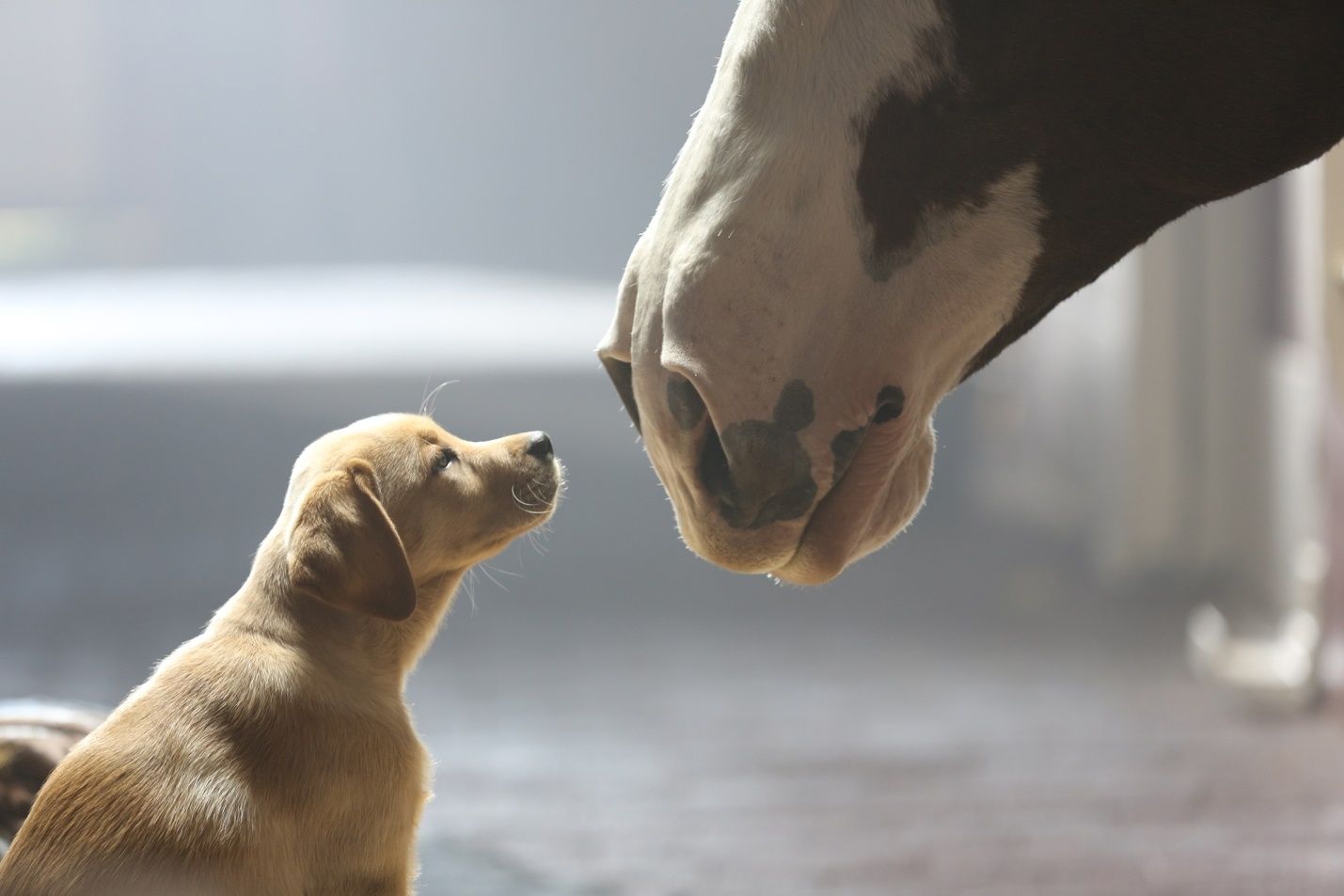
Rather than spotlighting the product, Budweiser chose symbolism as its primary language. At the center of the ad is an unexpected friendship between a Golden Retriever puppy and one of the brand’s legendary Clydesdale horses. The contrast is intentional and instantly clear: gentleness alongside strength, innocence paired with power. Without a single spoken line, the relationship communicates meaning that feels universal.
This creative choice allowed Budweiser to express its identity visually, sidestepping traditional advertising conventions altogether. There are no taglines instructing viewers what to feel, no dialogue explaining why the brand matters. Instead, the story unfolds naturally, leaving space for audiences to bring their own emotions into the experience.
A simple story with universal emotion
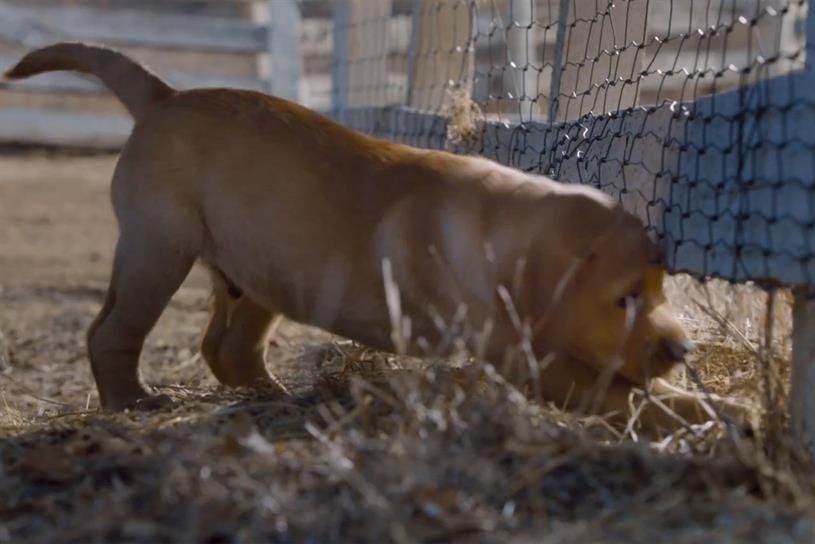
The setting is deliberately tranquil: a quiet farm, open fields, and soft natural light. From the very first moments, the bond between the puppy and the Clydesdale feels instinctive rather than forced. Despite fences and repeated attempts by the horse’s owner to keep them apart, the puppy escapes time and again to reunite with his towering companion. The mood remains playful on the surface, but a deeper emotional thread slowly takes shape.
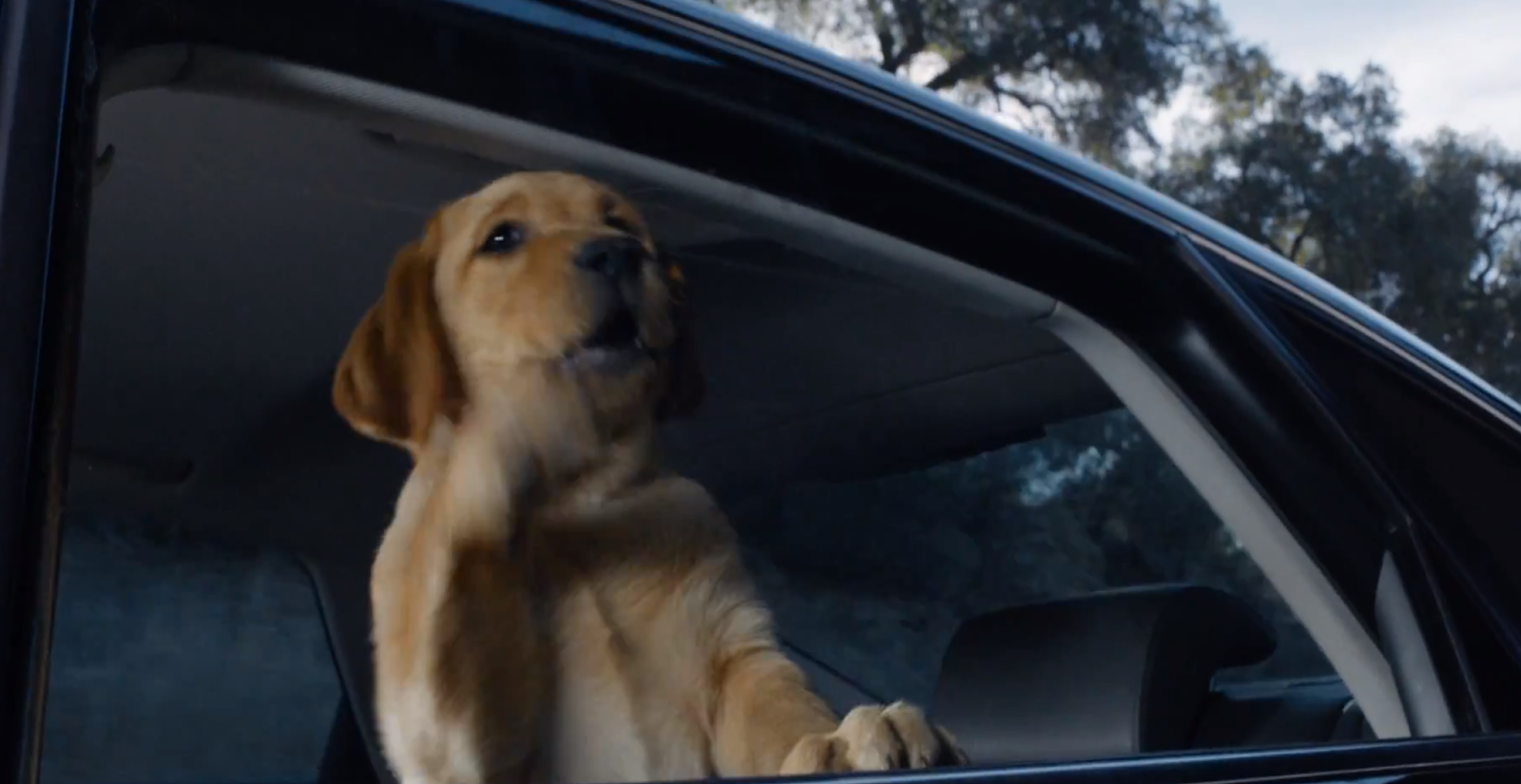
The emotional turn arrives when a well-dressed man appears and adopts the puppy, driving away in a sleek car. Seen through the rear window, the puppy looks back toward the farm, barking and crying as the distance grows. It’s a moment that taps directly into a shared human fear — separation, loss, and the abrupt breaking of a bond that felt unshakable.
Then comes the scene that transformed a strong commercial into a lasting memory.

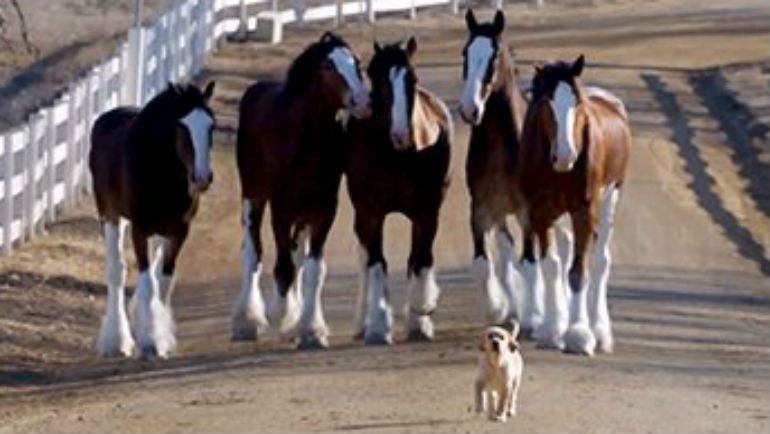
The Clydesdale breaks free and races down the road after the car. One by one, the other horses join, their hooves echoing as they surround the vehicle and bring it to a stop. Confronted with this powerful display of loyalty, the man gives in. The puppy is returned, guided home by the horses, and reunited with his friend beneath open skies and warm light.
The message arrives without explanation: some bonds are simply too strong to be broken.
Brand presence without brand intrusion
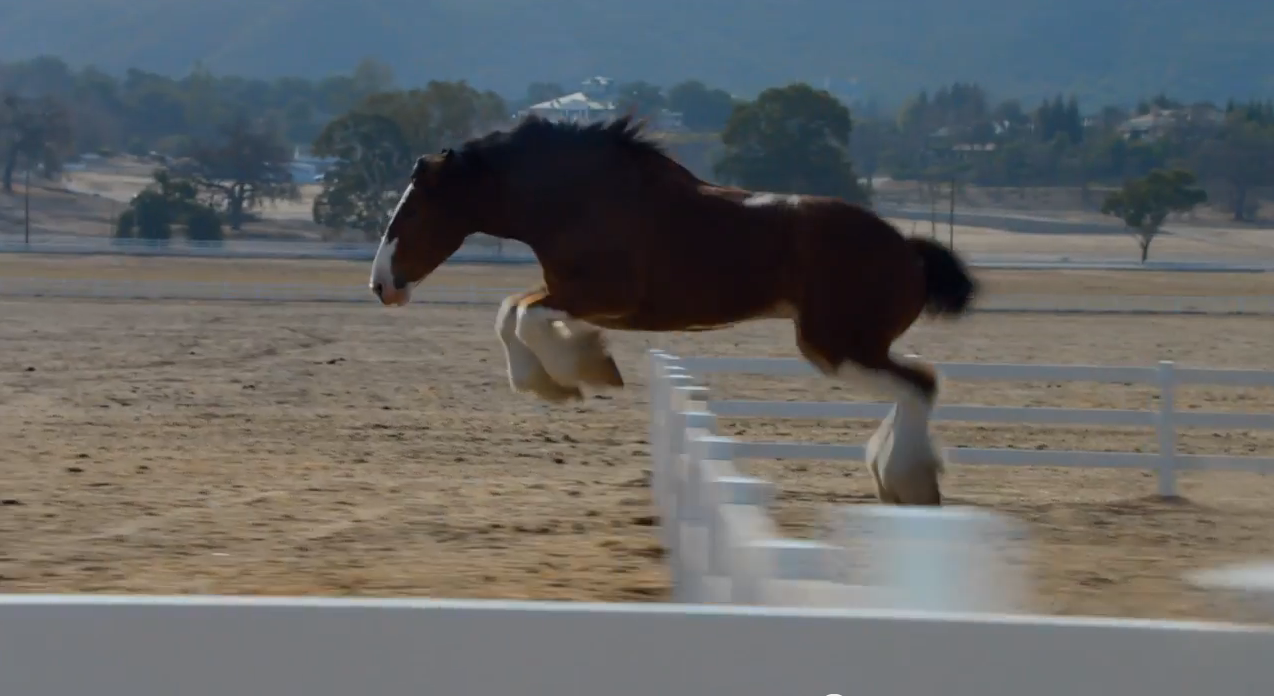
What made the ad even more striking was how little Budweiser insisted on being visible. The logo appears just once — subtly placed on the farm owner’s hat. There are no close-ups of bottles, no spoken brand promises, no overt reminders of what’s being sold. Yet the brand’s identity is unmistakable. The Clydesdales themselves serve as living symbols, carrying decades of Budweiser heritage without a single word.
This restraint became one of the campaign’s defining strengths. Instead of telling viewers what to think, Budweiser trusted them to feel — a risky approach in advertising, but one that paid off with remarkable impact.
Music and narrative craft

Passenger’s “Let Her Go” plays gently throughout the commercial, reinforcing the emotional arc without overpowering it. The song’s theme — recognizing the value of something only when it’s nearly lost — mirrors the story with striking precision, deepening its emotional pull while remaining understated.
From a structural perspective, the ad follows classic storytelling form: a calm opening, an emotional disruption, rising tension, and a satisfying resolution. Every creative decision — from pacing to music to camera movement — serves the story rather than distracting from it.
Strategic release and massive impact
Budweiser released Puppy Love on YouTube a week before the Super Bowl, allowing it to build momentum organically. By the time it aired during Super Bowl XLVIII, anticipation was already high. Surrounded by loud, high-energy commercials, its quiet emotional tone made it stand out instantly.
The response was exceptional. The ad became one of the most shared Super Bowl commercials of all time, generating more than 1.3 million shares in 2014 alone. It helped reaffirm Budweiser’s place as a leader in emotional brand storytelling and earned lasting praise from critics and audiences alike.
A legacy beyond advertising
More than ten years later, Puppy Love continues to stand as a benchmark for emotional advertising. It proved that a brand doesn’t need to be loud to be memorable, and that sometimes the most powerful message a beer company can share has nothing to do with beer at all.
Instead, Budweiser reminded audiences of something timeless: loyalty, connection, and the quiet strength of bonds that endure — even when tested.