Adam Lambert Slows Cher’s ‘Believe’ Into a Reflective Kennedy Center Tribute
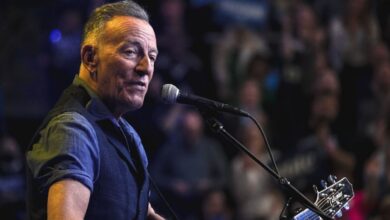
Adam Lambert’s ‘Believe’ at the 41st Annual Kennedy Center Honors gives Cher’s familiar song a different emotional setting. He approaches the material as a reflective ballad, allowing the vocal line to take a more exposed role.
The performance appears on Lambert’s official channel with the Kennedy Center event identified in the title. The recording preserves a specific tribute to Cher rather than a studio cover detached from its occasion.
‘Believe’ is widely recognized for its dance recording, so the change in musical frame is immediately significant. A song associated with a strong rhythmic pulse can feel different when the arrangement leaves more room around the words.
Lambert uses that space to give the melody a deliberate shape. The performance invites listeners to follow the development of individual phrases and hear familiar material through a slower, more reflective progression.
The tribute setting adds another layer to the interpretation. Singing a performer’s own song in their honor creates a musical exchange, connecting the established recording with the voice of another artist.
Watch the performance
A quieter arrangement can also make small choices more apparent. The beginning of a note, the movement through a phrase and the preparation for a sustained ending become important parts of the listener’s experience.
Lambert’s recognizable vocal color supplies continuity across those choices. The song remains Cher’s composition in its familiar identity, while the lead voice gives this performance a character of its own.
The ballad form changes how the tension develops. Instead of relying chiefly on dance momentum, the arrangement allows the melody and the singer’s emphasis to carry the movement toward its strongest passages.
That approach rewards hearing the complete recording. The later vocal expansion has more context when the earlier phrases have established the song’s pace and the amount of space within the accompaniment.
The audience and honoree are part of the live occasion, but the musical interpretation remains the clearest point of interest. The recording can be appreciated without inventing a private explanation for every visible reaction.
The contrast with Cher’s official video makes the change especially easy to hear. The original production and Lambert’s tribute share a recognizable song while creating substantially different atmospheres around it.
That difference shows why a cover need not reproduce every element of a famous recording. A new arrangement can preserve the melody and narrative while revealing another way the material might speak to a listener.
Lambert’s own repertoire provides a second useful comparison. A song released under his name places the same voice in a different musical setting, allowing his individual character to be heard beyond the tribute performance.
The Kennedy Center recording brings those qualities into a particularly focused moment. Familiar material, an established singer and a clearly identified occasion give the performance a strong sense of purpose.
It does not need to be declared better than the original to make an impression. Its value lies in the way it redirects attention, drawing listeners toward the emotional shape of a song they may already know by heart.
Lambert’s ‘Believe’ offers a thoughtful example of that possibility. The dance song becomes a ballad for the tribute, and the familiar melody provides the connection between Cher’s recording and his own live interpretation.
More videos to explore
Cher’s official ‘Believe’ video returns to the familiar dance production. Comparing it with Lambert’s tribute makes the change in pace, accompaniment and vocal emphasis particularly clear.
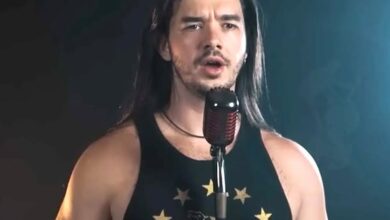
Adam Lambert’s official ‘Whataya Want from Me’ video places his voice in his own recorded repertoire. It supplies a related example of his melodic phrasing beyond the Kennedy Center tribute.
Further reading: Performance background and source.