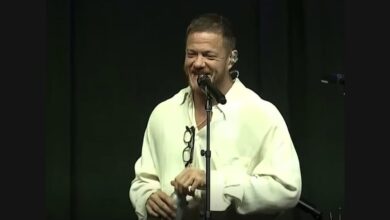
Three Days Grace Ignite Nationwide Arena With Explosive “Riot” Performance In Columbus On March 8, 2026
Three Days Grace did not approach Columbus as just another stop on a long arena schedule. On March 8, 2026, the band stormed Nationwide Arena with the focused intensity of musicians fully aware of their place in rock history. The performance came during the Alienation Tour, a run that has reignited attention around the band thanks to the distinctive energy of the current lineup. Rather than feeling like a routine concert, the night carried the atmosphere of a defining moment. With nearly two decades of arena experience behind them, the band returned to one of their most explosive songs and delivered it with a renewed sense of urgency. Fans packed the venue expecting a powerful show, but what unfolded felt more like a declaration about endurance, evolution, and the staying power of rock anthems that refuse to fade.
One of the most fascinating aspects of the modern Three Days Grace lineup is the dual-vocal dynamic that now drives their performances. With Adam Gontier back in the band while Matt Walst continues to share frontman duties, the group now carries two distinct vocal identities that complement one another on stage. Rather than presenting the situation as a replacement or rivalry, the band has turned it into a creative advantage. Songs take on new shades depending on which voice leads or how the two interact in key moments. When a song like “Riot” arrives later in the concert, that combined vocal energy amplifies its aggression far beyond the original studio recording.
The structure of the Columbus set played a huge role in why “Riot” became such a standout moment. Instead of launching immediately into their biggest hits, the band carefully built momentum throughout the evening. The setlist moved through newer material and longtime fan favorites while gradually expanding the emotional range of the show. Heavy songs were balanced with melodic passages, allowing the audience to experience shifts in mood rather than a constant wall of intensity. By the time the concert reached its later stages, the crowd had already traveled through nostalgia, tension, and reflection. That steady rise made the arrival of “Riot” feel like the exact moment when the entire room finally exploded.
That eruption is exactly what the song was always meant to create. Even in its original album form, “Riot” was built as a pure burst of energy — a fast, aggressive anthem designed to unleash frustration. In Columbus, however, the meaning behind the song felt deeper than it did during its early-2000s debut. The band members performing it today carry years of experience, lineup changes, and personal struggles that naturally reshape the emotion behind the music. When they play the track now, the aggression feels sharper and more deliberate, turning the performance into a statement about resilience as much as rebellion.
The size of Nationwide Arena amplified that feeling even further. In a smaller venue the song feels confrontational, almost like a challenge directed at each listener. Inside a packed arena, it becomes something collective. The opening chords ripple outward like a signal, and the crowd reacts instantly. Thousands of fans shouting the lyrics together transforms the song into a massive communal release of energy. That shared moment is exactly what makes arena rock powerful. Instead of watching a performance, the audience becomes part of it.
Another reason the Columbus show felt special was the balance between intensity and emotional breathing room throughout the set. The band included quieter passages and reflective songs that allowed the audience to reset between heavier moments. Those calmer sections gave the night a clear emotional arc instead of a nonstop barrage of sound. When “Riot” eventually arrived, it felt like the final outlet for all the tension that had been building throughout the show.
The lasting popularity of “Riot” itself is another reason the performance resonated so strongly. Many rock songs from the mid-2000s era have gradually disappeared from live setlists as trends changed. This one has done the opposite. The song still triggers an immediate reaction because its structure is direct and powerful. The title alone feels like a command, and the relentless rhythm drives forward with unstoppable force. That simplicity allows the track to resonate with both longtime fans and newer listeners discovering it through live performances.
The Columbus show also demonstrated how much Three Days Grace has matured as a live act over the years. Early in their career the band leaned heavily on raw aggression and youthful intensity. Today their concerts feel more carefully shaped. The pacing, lighting, and arrangement of the setlist work together to build a full arena experience. The musicians now understand how to guide the rise and fall of energy across an entire show. When “Riot” appears near the end, it feels less like a random highlight and more like a deliberate climax.
The fan-shot footage from Columbus captures the atmosphere of the night in a way polished recordings rarely can. The sound may be rougher, but that roughness reveals the true environment of the arena. Crowd noise floods the recording and occasionally overwhelms the band itself, showing just how deeply the song connects with listeners.
Listening again to the studio version highlights how tightly the original song was constructed. The recording focuses entirely on the driving rhythm and explosive chorus that first made the track famous. After witnessing a massive arena performance, however, it becomes clear how much the song has grown through years of touring.
The Columbus performance also fits into a broader pattern seen across the band’s current tour. Three Days Grace has been mixing songs from different periods of their career rather than focusing on one era. This approach allows longtime fans to reconnect with older material while still embracing the band’s evolving identity.
Looking back at earlier live performances of the song reveals an interesting contrast. In those early days the band played with frantic urgency driven by youth and sudden fame. The modern version carries a slightly different character. The aggression is still there, but it is guided by experience.
Comparing “Riot” with other songs in the band’s catalog highlights the emotional diversity that defines their concerts. While some tracks explore inner conflict and vulnerability, this one represents pure outward release. That contrast keeps the band’s live shows engaging even after many years.
The Alienation Tour has also played a major role in renewing attention around the band’s legacy. For many fans, the reunion of Adam Gontier with the existing lineup felt like the start of a new chapter rather than a nostalgic reunion.
Placing “Riot” near the end of the set gave the song enormous impact. After a full evening of rising intensity, the track arrived as the final surge of adrenaline before the show’s closing moments.
When the lights finally faded, the Columbus show stood as a reminder of why Three Days Grace continues to fill arenas nearly two decades into their career. Songs like “Riot” endure because they capture emotions that never disappear — frustration, defiance, and the urge to release everything through music.