American Icons: How Budweiser Turned Heritage Into a Super Bowl Cinematic Moment
For Super Bowl LX, Budweiser avoided the usual formula of celebrity appearances and fast-paced humor. Instead, the brand returned to what has defined it for generations — heritage, symbolism, and cinematic storytelling. “American Icons” was crafted as a film-like experience rather than a conventional commercial, built around imagery that already holds meaning within American culture.
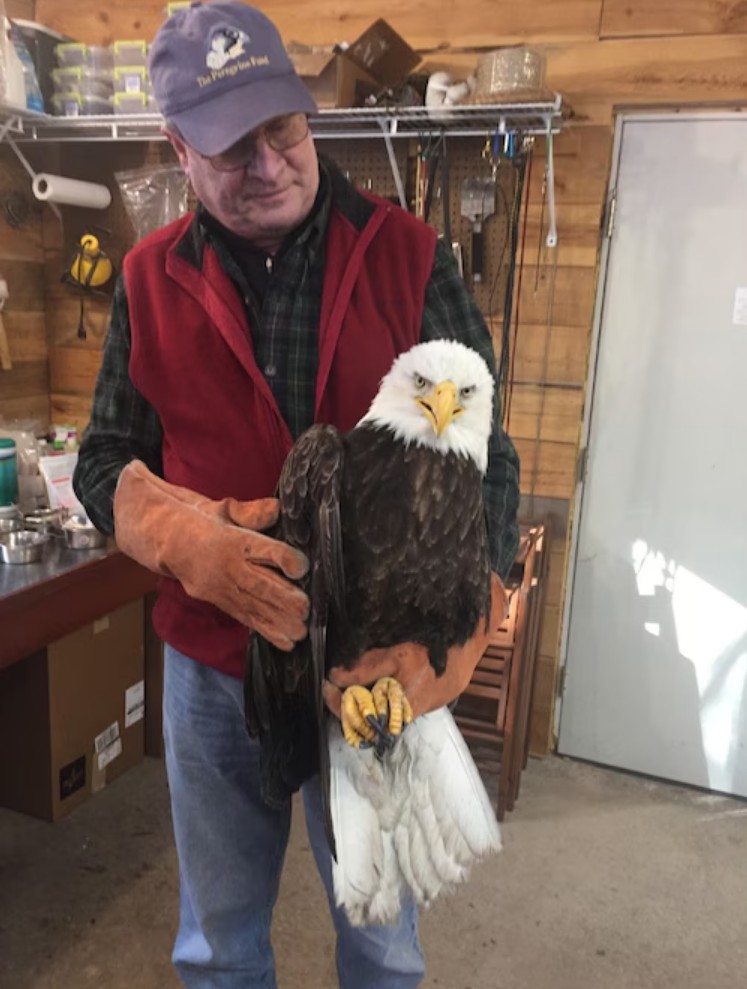
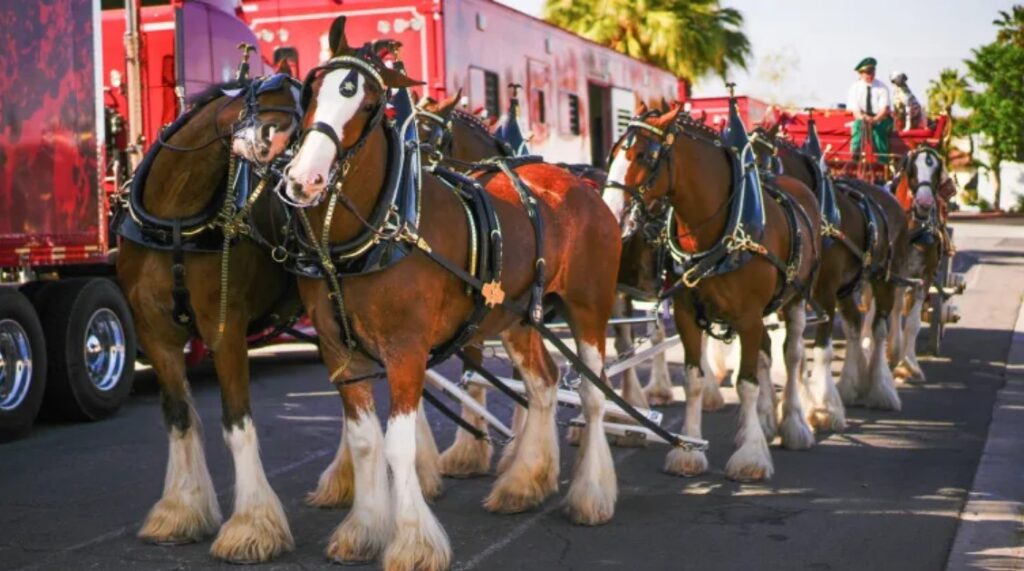
The foundation of the concept rests on two enduring brand symbols: the Clydesdale horse and the bald eagle. Each carries its own association with strength and freedom. Bringing them together wasn’t about spectacle — it was about reinforcing continuity and deepening imagery audiences already recognize and trust.

The creative approach centers on growth and endurance. Instead of presenting fully formed icons, the story begins with fragility. A young foal and a small eaglet are introduced within a rugged countryside setting. The opening sequences move slowly, allowing vulnerability to shape the emotional tone.
Location plays an essential role in establishing atmosphere. Expansive farmland, shifting skies, and textured natural light give the commercial a grounded and authentic feel. The production favors real environments over artificial staging to preserve realism.
Natural elements such as wind and storm clouds become narrative tools. Rather than dramatizing adversity, they quietly reinforce the theme of resilience. As time passes, both animals are shown gaining strength, reflecting persistence without explicit explanation.

The absence of dialogue is intentional. Silence gives the imagery room to resonate and keeps the message universal. Rather than instructing the audience how to feel, the commercial allows emotion to build organically through visuals and music.
Music became a defining component of the structure. The team selected Lynyrd Skynyrd’s “Free Bird,” a track woven into American rock history. Its gradual build from restraint to powerful crescendo provided a natural emotional progression for the edit.

The visual pacing follows the rhythm of the song. Soft opening guitar lines underscore quieter moments, while the increasing tempo mirrors the animals’ development. As intensity builds, so does the scale of the imagery.
Careful editing ensures the emotional climb remains steady. The commercial does not rush toward its peak. Instead, it allows each stage to unfold deliberately, maintaining cohesion between sound and motion.
The most striking image arrives during the guitar solo. As the Clydesdale gallops forward and the eagle rises into flight, their alignment creates a brief winged silhouette that viewers widely described as mythic. This moment quickly became the most shared frame from the commercial.
The impact of that scene comes from timing. The music enhances rather than overwhelms the visuals. When the crescendo aligns with the final lift, the result feels like release after steady build-up.
Audience reactions focused largely on the emotional tone. Many viewers described the ad as nostalgic and cinematic, noting how the familiar song amplified the symbolic imagery across social platforms.
Unlike high-energy Super Bowl ads built around surprise or comedy, “American Icons” moves with patience. Its power comes from familiarity and craftsmanship rather than disruption, setting it apart from louder entries during the broadcast.
From a strategic standpoint, the commercial reinforces Budweiser’s established identity. The Clydesdales have been a defining visual for decades, and the inclusion of the bald eagle deepens the brand’s national symbolism.
The scale of production reflects the investment typical of Super Bowl campaigns. Months of planning, licensing coordination, and creative collaboration ensure that each element aligns with the broader brand narrative.
Ultimately, the commercial succeeds through balance. Tradition, music, and pacing work together seamlessly. Nothing feels excessive or forced; everything builds with intention.
“American Icons” stands as a heritage-driven Super Bowl film that prioritizes identity over spectacle. Its strength lies in its restraint and visual clarity.
By the final frame, the ad leaves behind more than imagery. It leaves a carefully constructed emotional imprint — one designed to linger well beyond the game itself.