No Gimmicks, No Noise: Inside the Budweiser Super Bowl Moment That Outshined Every Viral Stunt
While many brands entered this year’s Super Bowl armed with celebrity cameos, frantic humor, and moments clearly engineered to explode on social media, Budweiser made a choice that felt almost radical by modern advertising standards: it slowed everything down. In a broadcast built on noise, speed, and instant gratification, the brand trusted patience. That decision alone set the tone for what would become one of the most talked-about commercials of the night—not because it shouted the loudest, but because it quietly connected.
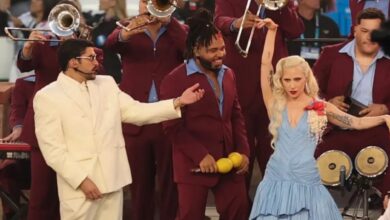
Throughout the game, viewers were flooded with high-energy ads designed to seize attention in seconds. Surprise appearances, rapid-fire jokes, absurd visuals, and meme-ready punchlines dominated the breaks. Many of these spots followed a familiar formula: hook the audience instantly, generate screenshots, and dominate online conversation for a brief burst of time. Budweiser’s approach felt almost defiant in comparison, as if it had opted out of the competition entirely and chosen a different battlefield.
Instead of chasing shock value, Budweiser leaned into recognition. The American Icons campaign didn’t ask viewers to keep up; it invited them to settle in. From the opening moments, the ad communicated that it wasn’t interested in tricks or twists. It was interested in atmosphere, memory, and emotion. In doing so, it created space for viewers to feel rather than react.
The emotional payoff arrived gradually, building toward a final sequence that many viewers later described as unexpectedly powerful. The deep rumble of the Clydesdales’ hooves, the slow swell of “Free Bird,” and the image of a rescued eagle lifting into the sky formed a closing moment that felt earned rather than engineered. There was no punchline waiting at the end, no sudden reveal—just a quiet crescendo that lingered.
What made that ending resonate was its restraint. In a setting designed for spectacle, Budweiser resisted the urge to explain itself. The symbolism was present but never spelled out. Freedom, resilience, continuity, and care were suggested rather than declared. The audience was trusted to connect the dots on their own, and that trust paid off.
Advertising analysts were quick to note that Budweiser wasn’t simply promoting a product. It was reinforcing an identity. Rather than positioning itself as trendy or disruptive, the brand framed itself as something enduring. In an era when many companies constantly reinvent their image to stay relevant, Budweiser leaned into the idea that relevance can also come from consistency.
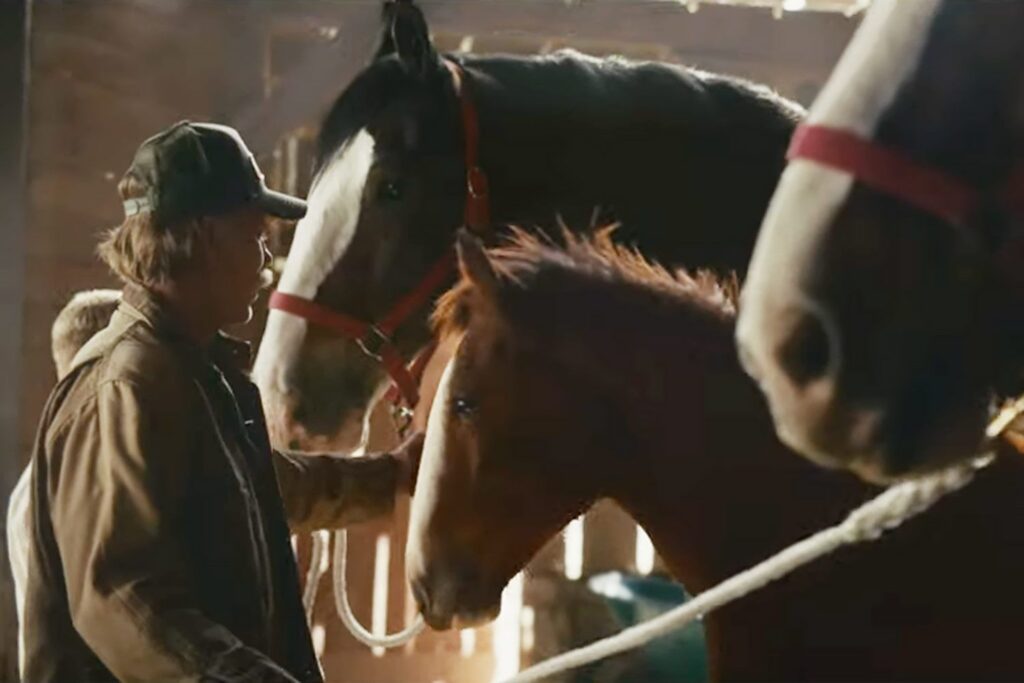
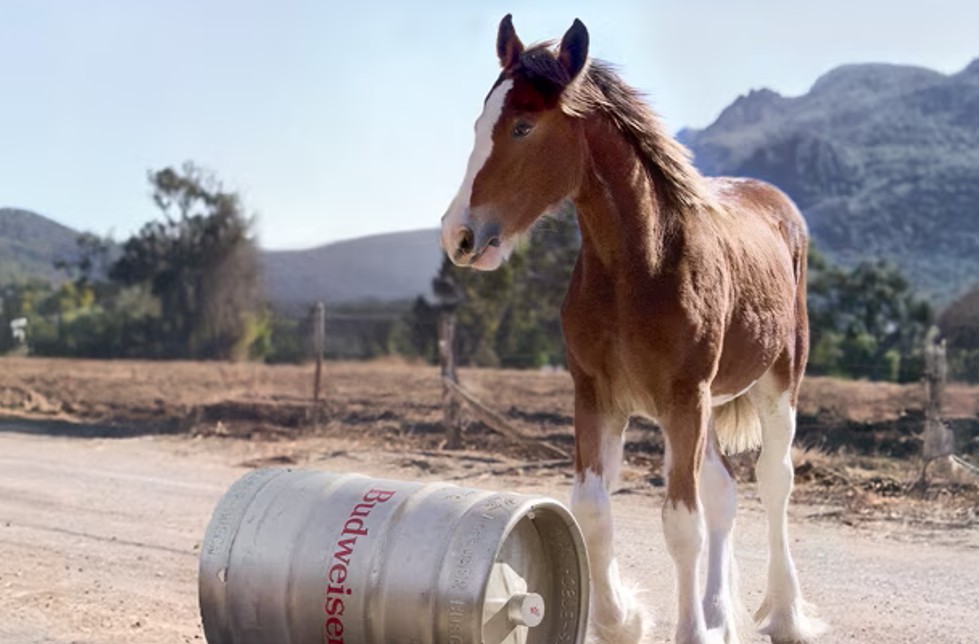
The return of the Clydesdales played a major role in that message. For decades, these horses have been part of Super Bowl tradition, appearing year after year in ads watched by families gathered around televisions. Their presence carries generational weight. Seeing them again didn’t just recall past commercials—it recalled moments, holidays, and shared rituals tied to watching the game itself.
Behind the scenes, the ad’s creative choices reinforced this sense of authenticity. Reports indicated that the production prioritized real animals and practical filming over heavy digital effects. The pacing was deliberate, allowing scenes to breathe rather than rushing viewers from one image to the next. Even the choice of music felt intentional, tapping into a song deeply embedded in American cultural memory without overusing it.
“Free Bird” functioned less as a soundtrack and more as an emotional guide. Its gradual build mirrored the structure of the ad itself, slowly lifting the viewer toward the final image. The song’s associations with freedom, endurance, and open space subtly amplified the visuals without overpowering them, reinforcing the emotional undercurrent rather than distracting from it.
When compared to many competing ads, the contrast was striking. Celebrity-filled commercials sparked immediate laughs and short-term buzz, but many faded quickly once the game ended. Social media engagement spiked and then disappeared. Budweiser’s ad followed a different trajectory, inspiring conversations that lingered beyond the broadcast.
Viewers didn’t just share the commercial because it was clever. They shared it because it moved them. Online reactions frequently mentioned unexpected emotion, with people admitting they hadn’t anticipated feeling anything during a beer commercial. That surprise became part of the experience, deepening its impact.
Marketing experts have suggested that this response reflects a broader cultural moment. After years of constant digital noise, rapid news cycles, and social fragmentation, audiences increasingly gravitate toward content that feels grounding. Familiar symbols like the Clydesdales and the eagle resonate precisely because they offer stability in an otherwise restless media environment.
There was also a strategic dimension at play. As Budweiser faces growing competition from craft beers, seltzers, and shifting consumer habits, reinforcing its legacy becomes a form of differentiation. Instead of chasing younger audiences through trends, the brand chose to remind everyone—young and old—why it has remained part of American culture for so long.
Perhaps the most telling reactions came from everyday viewers rather than industry insiders. Parents watched with children and recognized echoes of Super Bowls past. Older fans felt a sense of continuity. Younger viewers encountered the brand’s emotional language for the first time and understood why it has endured. The response wasn’t driven by nostalgia alone, but by recognition.
In the end, Budweiser didn’t win the night by being louder or more outrageous. It won by being patient, familiar, and emotionally honest. In a sea of attention-grabbing stunts, the brand demonstrated that connection still matters—and that sometimes the most powerful statement a commercial can make is simply reminding people of what they already love.
Judging by the conversations still unfolding days later, that quiet approach may prove more lasting than any viral moment from the game. While other ads fade into memory as clever distractions, Budweiser’s story continues to resonate—less as a commercial, and more as a shared emotional experience.