Budweiser’s “American Icons”: The Super Bowl Ad Everyone Is Talking About Before Kickoff
Budweiser’s 60-second Super Bowl LX commercial, “American Icons,” arrives less like a piece of advertising and more like a cinematic tribute to enduring American identity. Built around instantly recognizable national symbols and set to the soul-stirring sound of classic Southern rock, the spot taps into something emotional and familiar — a reminder of what Budweiser once represented at the heart of Super Bowl culture.
Unveiled as part of the brand’s 150th anniversary celebration, the commercial signals a confident return to the style of storytelling that helped define Budweiser for generations. It also serves as a centerpiece of the long-running “Made of America” campaign, honoring not just the beer itself, but the workers, traditions, and shared moments behind the brand’s legacy.
For more than five decades, Budweiser’s Super Bowl commercials have become as much a part of game day as kickoff and halftime. From iconic characters to deeply emotional narratives, the brand has consistently used the Super Bowl stage to tell stories that resonate far beyond the screen. “American Icons” leans fully into that heritage, reminding audiences why Budweiser’s ads once dominated national conversation year after year.

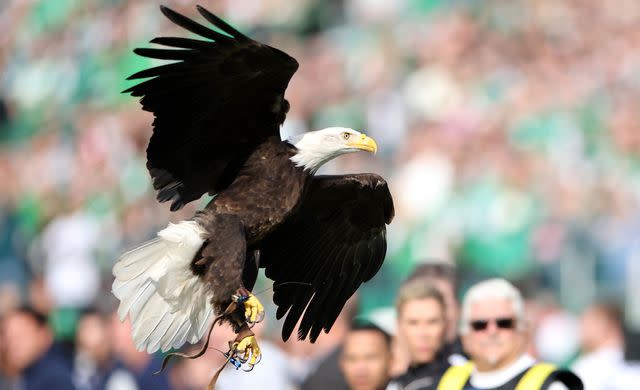
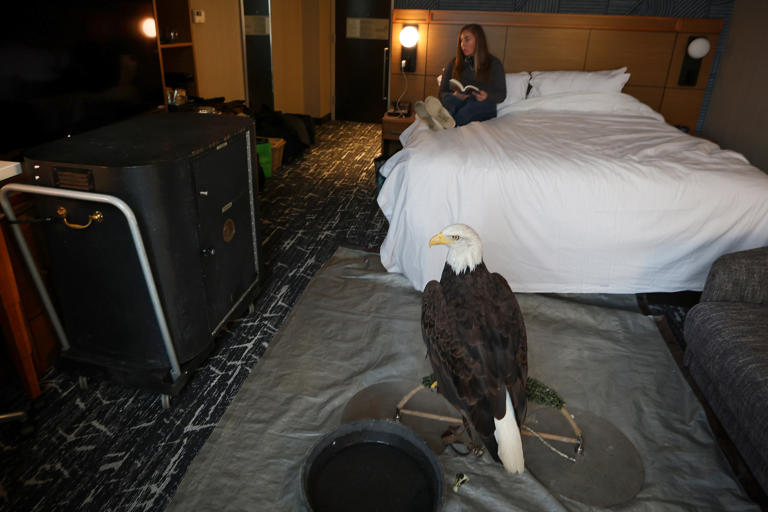
This year’s spot marks the 48th national Super Bowl appearance of the legendary Budweiser Clydesdales, a symbol that has become inseparable from the brand itself. Alongside them appears another enduring emblem of America — the bald eagle. Cared for by the American Eagle Foundation and featured with permission from the U.S. Fish and Wildlife Service, the eagle plays a central role in a story about trust, resilience, and connection.
The commercial opens quietly. A young Clydesdale peers out from its stable, curiosity drawing it into the open world beyond. It encounters a small bird and cautiously approaches, pulling back just as the opening notes of Lynyrd Skynyrd’s 1974 classic “Free Bird” begin to play. The song choice immediately sets the emotional tone — nostalgic, expansive, and unmistakably American.
As a storm rolls in, the colt returns and stands beside the bird, shielding it from the rain. It’s a simple gesture, but one that becomes the foundation of the story. From there, the ad unfolds through a montage of seasons, showing the two growing up side by side, facing challenges and change together.
One of the most visually striking moments arrives when the bird lands on the Clydesdale’s back, flapping its wings in an attempt to take flight. The effort isn’t enough — not yet. The moment lingers, mirroring the song’s slow build and reinforcing the idea that growth and freedom take time.
As “Free Bird” reaches its iconic crescendo, the narrative pays off. The Clydesdale, now fully grown, charges forward with confidence, leaping over a fallen log. In the same instant, the frame fills with motion as a massive wingspan bursts into view. The bird has become a bald eagle, finally lifting into the sky, soaring free as sunlight floods the screen.
The imagery is deliberate and symbolic — unity, strength, patience, and shared growth. The commercial closes with Budweiser’s familiar message, “Made of America,” followed by a final title card reading, “For 150 Years, This Bud’s For You.”
Behind the scenes, Budweiser once again partnered with Oscar-nominated filmmaker and Emmy-winning commercial director Henry-Alex Rubin, marking their third consecutive collaboration. The result is a polished, emotionally driven piece that feels rooted in tradition while still cinematic and modern.
In a press release, Budweiser’s Senior Vice President of Marketing Todd Allen explained the intent behind the campaign, tying it not only to the brand’s anniversary but also to a historic moment for the country itself. As America approaches its 250th birthday, Budweiser aimed to tell a story that reflects shared heritage and collective pride.
The commercial will air nationally during Super Bowl LX and continue its reach across Budweiser’s social platforms and YouTube. Yet its impact was felt even before kickoff, as viewers responded with emotion rather than irony — sharing the spot not as an ad, but as a moment.
Whether seen as a nostalgic return, a savvy brand reset, or simply a beautifully told story, “American Icons” succeeds in doing what the best Super Bowl commercials have always done: remind people that great advertising doesn’t just sell a product — it reflects who we are and what we value.