Not Hiding: Ilia Malinin’s Verified Timeline After The Olympic Setback
Not Hiding: Ilia Malinin’s Verified Timeline After The Olympic Setback
Ilia Malinin’s post-Olympic story is easy to turn into a dramatic comeback headline, but the verified timeline is already compelling on its own. The backdrop is Milano Cortina 2026, where Malinin arrived with enormous expectations after a stretch of dominance that made him the clear favorite in many people’s minds. When the men’s event reached its biggest moment, the free skate, pressure wasn’t a vague idea—it was the atmosphere. One difficult program can rewrite the narrative of an entire Games, and that’s exactly why his next steps drew attention. The truth isn’t a mystery plot about secret training sessions; it’s a sequence of public results, public reaction, and a very human attempt to process a brutal night in front of the world.
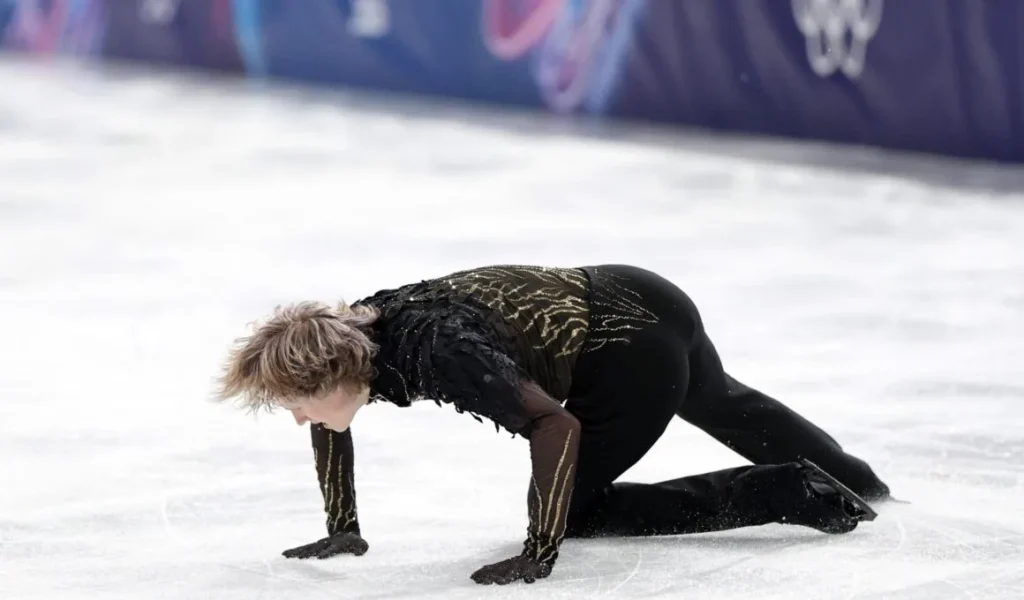
The turning point, in plain terms, was the men’s free skate on February 13, 2026. Malinin struggled in a way few expected, with multiple errors that instantly knocked him out of the gold-medal conversation. It wasn’t a small slip that could be explained away by one missed edge or one under-rotated landing. It was the kind of chain reaction that happens when timing gets off and confidence starts fighting itself. The result was a shocking eighth-place finish in the individual event, a placement that landed like a thunderclap because of what had been projected for him. That contrast—favorite to eighth—became the headline, and it set the emotional stakes for everything he said and did afterward.
In the hours and days after that free skate, the public conversation moved fast, as it always does during the Olympics. There were clips, breakdowns, hot takes, sympathy posts, and the inevitable wave of online cruelty that follows any athlete who stumbles on the biggest stage. What matters in the verified record is that Malinin did not pretend it didn’t hurt. Instead of hiding behind vague statements or refusing to address it at all, he acknowledged how heavy the moment felt. That is the first key piece of the timeline: the setback was real, widely reported, and immediately framed as one of the signature surprises of the Games because of his status and the scale of the mistakes.
Another important fact that often gets lost in the doom-scroll version of the story is that Malinin still left these Olympics with a huge achievement: he was part of Team USA’s gold in the figure skating team event earlier in the Games. That matters because it complicates the narrative. This wasn’t a total Olympic collapse where everything turned to ash; it was a split experience—team triumph paired with individual heartbreak. That combination can be mentally confusing for an athlete, because there’s pride and pain existing at the same time. It also explains why his aftermath was emotionally layered rather than simple. He wasn’t just mourning a loss; he was trying to hold onto what went right while staring directly at what went wrong.
On February 16, 2026, Malinin posted a personal message that put his internal state into words. The language was blunt about pressure and about how damaging online hatred can be, describing it as “vile” and portraying the mental load as something that can drag even strong people into a darker place. That message is important because it’s not rumor or interpretation—it’s his own public statement. It also shows the tone of his response: not defensive, not performative bravado, but an admission that the mind can buckle when the moment becomes too loud. In a sports culture that still sometimes treats mental strain like weakness, that kind of directness becomes part of the story.
That same February 16 post included another concrete timeline marker: he teased something coming on February 21, 2026. Whether that “something” turns out to be a media appearance, a show skate, a project, or a competition-related announcement, the key point is that he publicly signaled continuation rather than disappearance. That’s where the “not hiding” framing comes from, but it’s worth keeping it grounded. The verified information is not that anonymous witnesses saw him doing “quiet laps” in secret; the verified information is that he publicly addressed the pressure, publicly acknowledged the ugliness online, and publicly pointed toward a near-future moment instead of going silent.
In parallel with his own post, interviews and broadcast segments also captured how he processed the disappointment. He described the result as devastating and talked about feeling overwhelmed by the Olympics pressure. This matters because it reinforces the same theme from a different angle: the setback wasn’t just technical, it was psychological. Athletes can land the hardest jumps in the world and still get swallowed by nerves when the stakes become mythic. Malinin’s case showed how the Olympics can turn even a consistent competitor into someone fighting their own thoughts mid-program. The public record paints a picture of an athlete trying to make sense of a sudden crash, not trying to pretend it never happened.
Then came the response from outside the sport, which became its own chapter in the timeline. Malinin shared that he received supportive messages from major public figures and athletes. That detail can sound celebrity-flashy, but it also signals something more practical: he was not isolated in the aftermath, and he was receiving reassurance from people who understand pressure at a world-event scale. The fact that he talked about those messages publicly suggests they actually mattered to him emotionally. It also framed his setback as something bigger than one athlete’s mistakes—more like a case study in what happens when expectation, internet culture, and Olympic intensity collide in a single night.
So where does that leave the claim that he “quietly resumed training” and that “witnesses” saw him back on the ice in a deliberate return? That specific storyline is not confirmed in the reliable public record in the way the Olympic result and his February 16 post are confirmed. It might be true in the everyday sense that elite skaters often get back to training quickly, but without a verifiable report, it’s still narrative packaging rather than documented fact. The safer, stronger version of the story is that he publicly re-entered the conversation quickly. He didn’t vanish. He didn’t pretend the moment didn’t matter. He addressed it with unusually direct language for an athlete in the immediate Olympic aftermath.
When people say “he’s not hiding,” the most defensible meaning is psychological rather than logistical. It’s not about a secret rink session in a hoodie. It’s about choosing to talk openly about pressure, online hatred, and the way big-stage failure can taint even your happiest memories. That framing is what makes his response resonate with fans who have followed him closely. It also gives the story a modern edge: today’s Olympic athletes don’t just battle jumps and spins; they battle an internet that can turn a mistake into a permanent meme. Malinin’s post essentially acknowledged that new reality without glamorizing it.
If the February 21 tease becomes a visible appearance, it will likely feel significant not because it proves he trained, but because it shows he stayed present. Presence is the real theme of this timeline. February 13 was the fall, February 16 was the emotional statement, and February 21 was the signal that the story continues. That arc is enough without exaggeration. It’s a clean, human sequence: shock, processing, then forward motion. And if he returns to competition with a sharper mindset later in the season, the foundation for that comeback won’t be mysterious whispers—it will be this documented moment where he admitted the weight, named the darkness, and still chose to keep moving.